UBER
When Riders Stop Feeling the Ride
Rebuilding rider loyalty across EMEA through journey orchestration
In Brief
Growth slowed. Riders saw Uber as a utility, not a service they felt loyal to.
Led the shift from features to emotional drivers, from insight to implementation.
Mapped the moments that actually drive loyalty, then designed the system to act on them.
Built a toolkit that Ops, Product, and Marketing use inside their own workflows.
Recovered Uber EMEA's loyalty, market by market.
Outcomes and Impact
4,443 riders engaged across 4 EMEA markets.
11 validated Moments That Matter.
8 Experience Platforms embedded in planning.
20–30% reduction in planning cycle effort.
Situation
Uber built the category, and competitors caught up
Same cars, same app, same price points. The functional delivery that had once set Uber apart had become the baseline, and rivals were meeting it comfortably.
The harder problem was loyalty. Riders used Uber out of habit and convenience, not connection. When the experience worked, it was forgotten. When it failed, it was remembered. Teams had behavioural data in quantity, but no shared understanding of what riders actually felt, or where in the journey those feelings determined whether someone came back. Decisions defaulted to feature fixes and short-term interventions. Nobody was designing around the emotions that actually drive retention.
Despite working well, Uber rides often felt transactional and forgettable
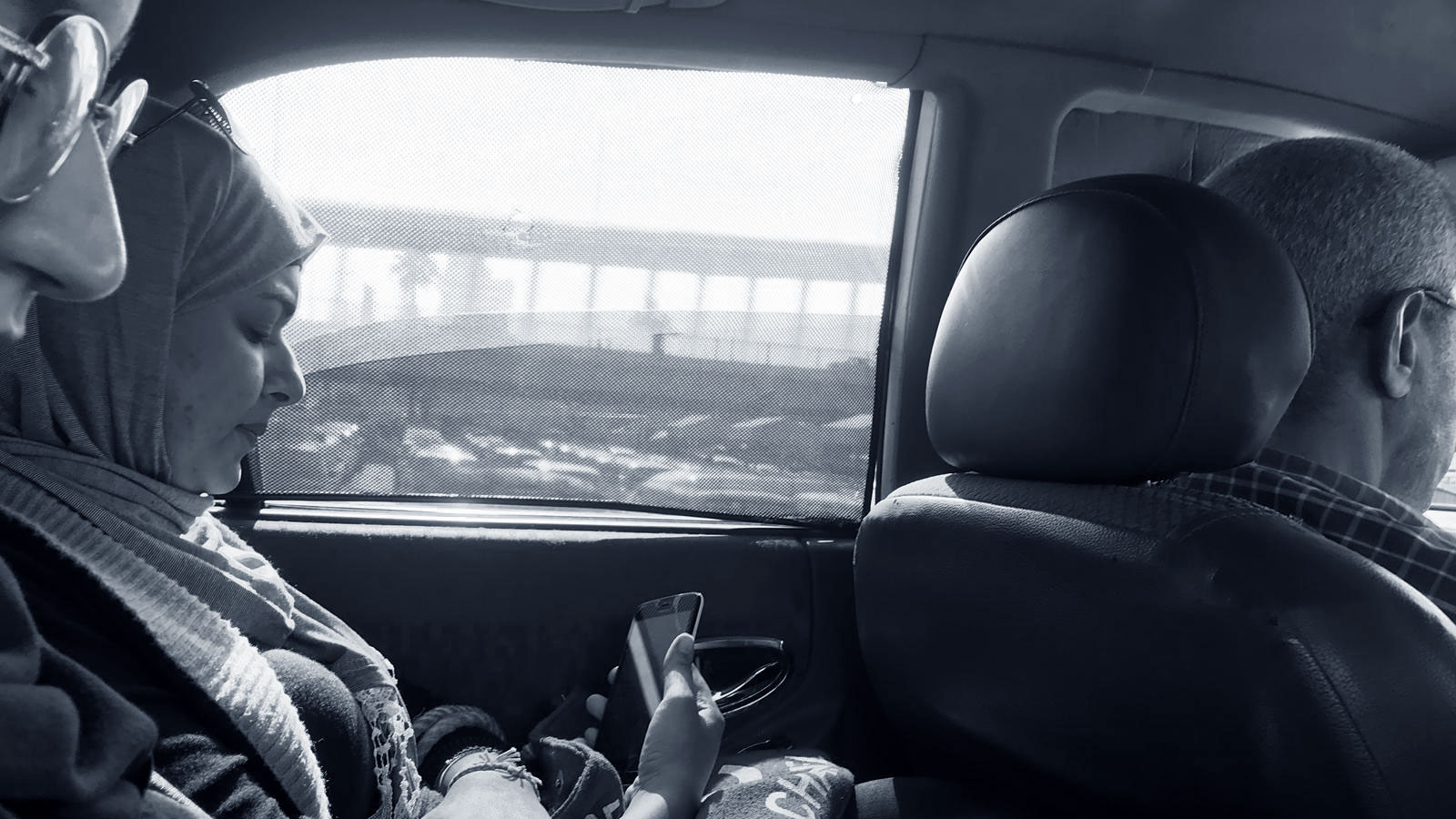
"A car is more than just a car. It's a magic carpet, a beauty salon, a mobile office, a safe haven, a karaoke carpool…"
From rider fieldwork,
Project MUNDI
Approach
An embedded system across teams
The brief was not to produce a research report. The aim was to build something that Uber's EMEA teams across Ops, Product, Marketing, and Support could actually use, without each function commissioning its own version of the same question.
Working as an integrated team of researchers, designers, and strategists alongside Uber's client team, we engaged 4,443 riders across London, Cairo, Madrid, and Johannesburg over nine months. Ride-alongs, an online community, acquisition experiments with first-time riders, co-creative workshops, and a quantitative survey fed into a regression analysis that identified the moments disproportionately driving satisfaction and predicting repeat use. Those became the 11 Moments That Matter.
My role was to lead the experience system design throughout: from how the research was framed and what it needed to produce, to the designed system that made it actionable. The question I was answering was not what mattered to riders. It was how to make that knowledge usable at scale, across functions, within Uber's existing ways of working, without creating new process overhead. The design challenge was adoption, not just insight.
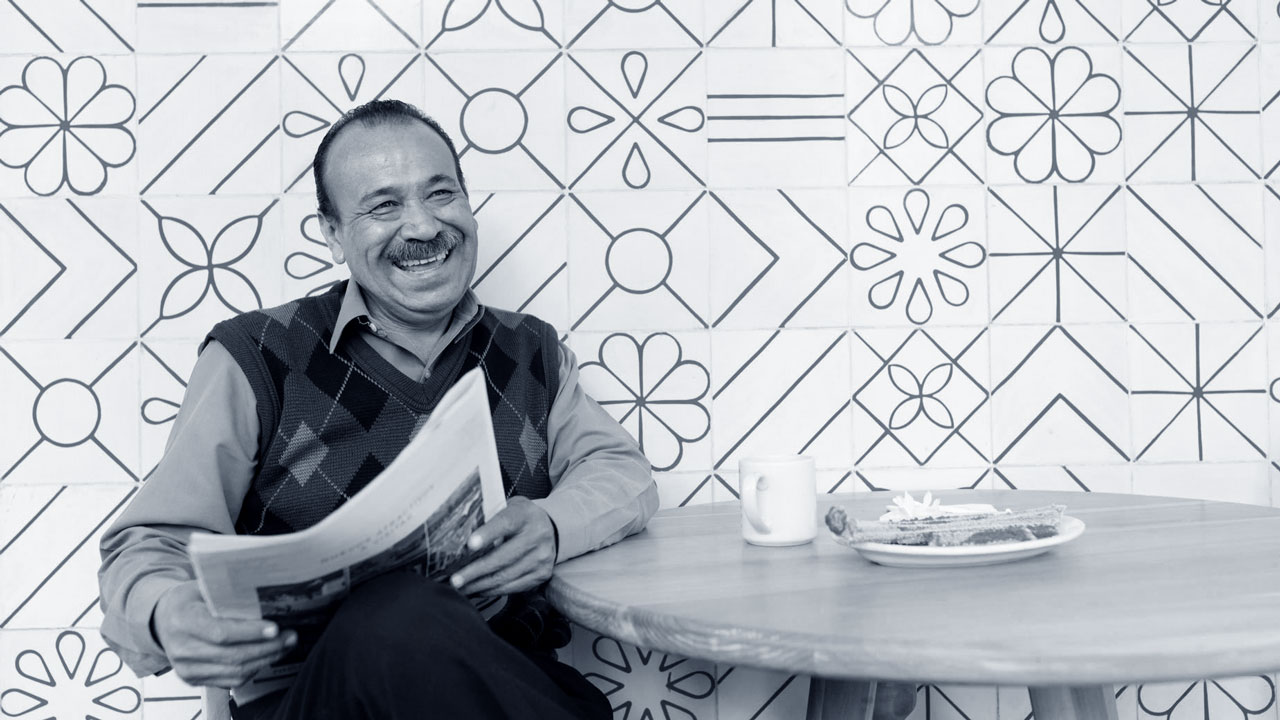
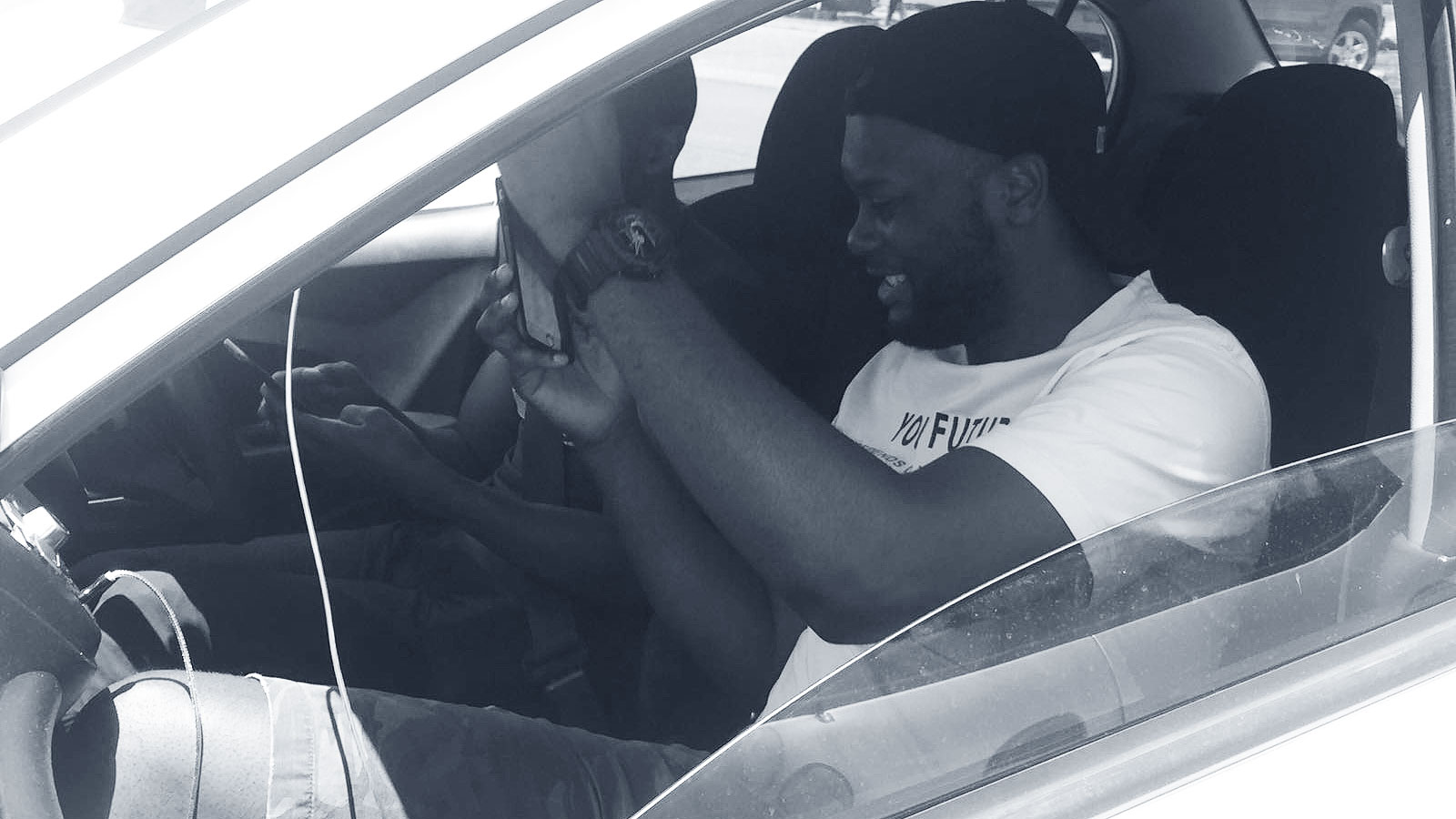
We mapped what riders felt, not just what they did: each emotional moment became a design opportunity
System
The 11 moments were only useful if teams could act on them
From a brand experience perspective, the work reanchored how Uber expressed itself around trust and emotional meaning. The insight was stark: riders did not choose Uber for its functionality. They chose it when it felt like it was on their side. That shift shaped brand language and tone across the moments the regression had flagged as highest-stakes.
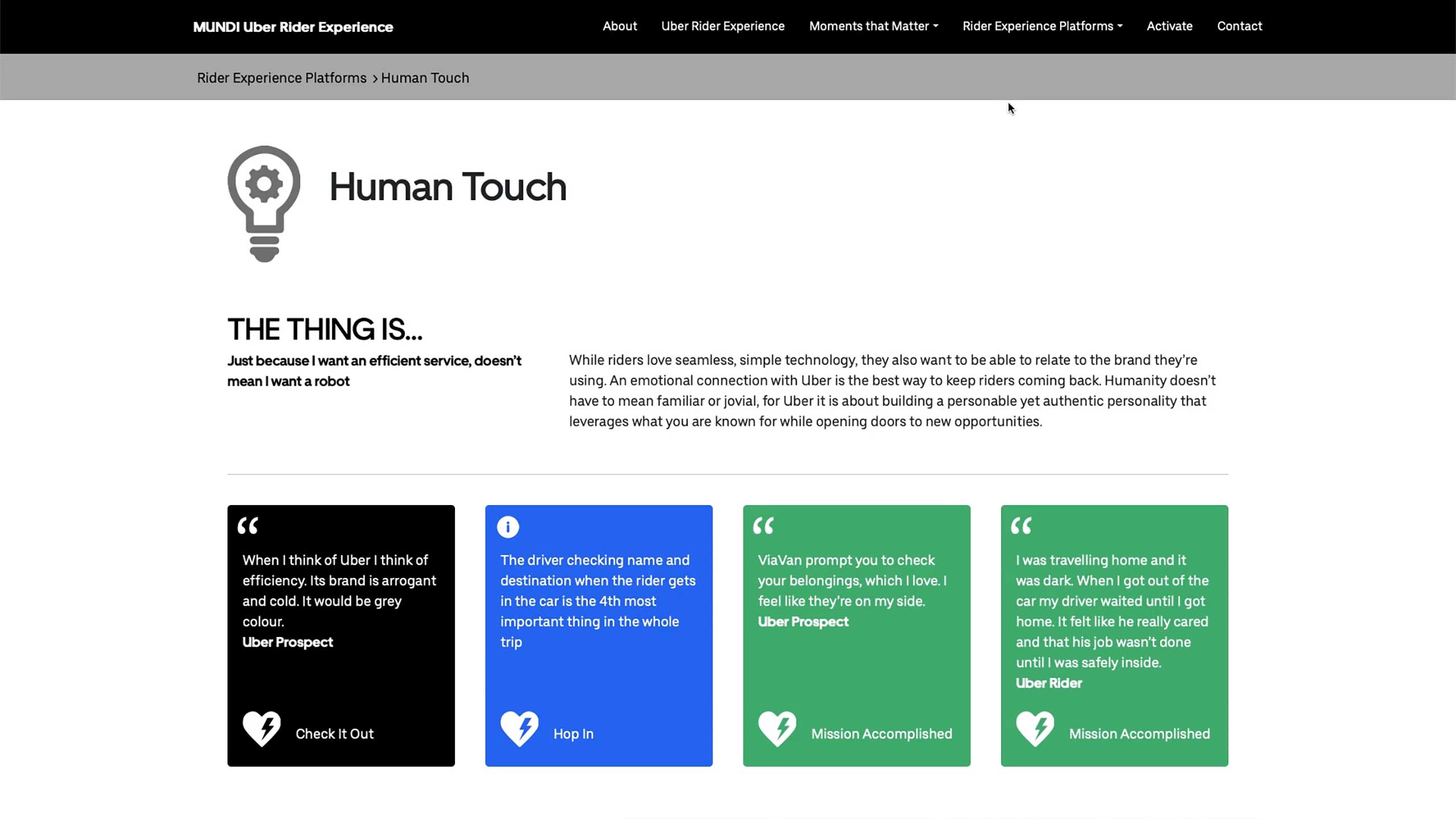
On the customer experience side, the 11 moments were mapped into 8 Experience Platforms, each one a specific opportunity space where investment in emotional quality would most affect loyalty. These replaced ad hoc briefs as the shared planning foundation across functions. For the first time, Ops, Product, Marketing, and Support were working from the same picture of the rider, with the same language for what mattered.
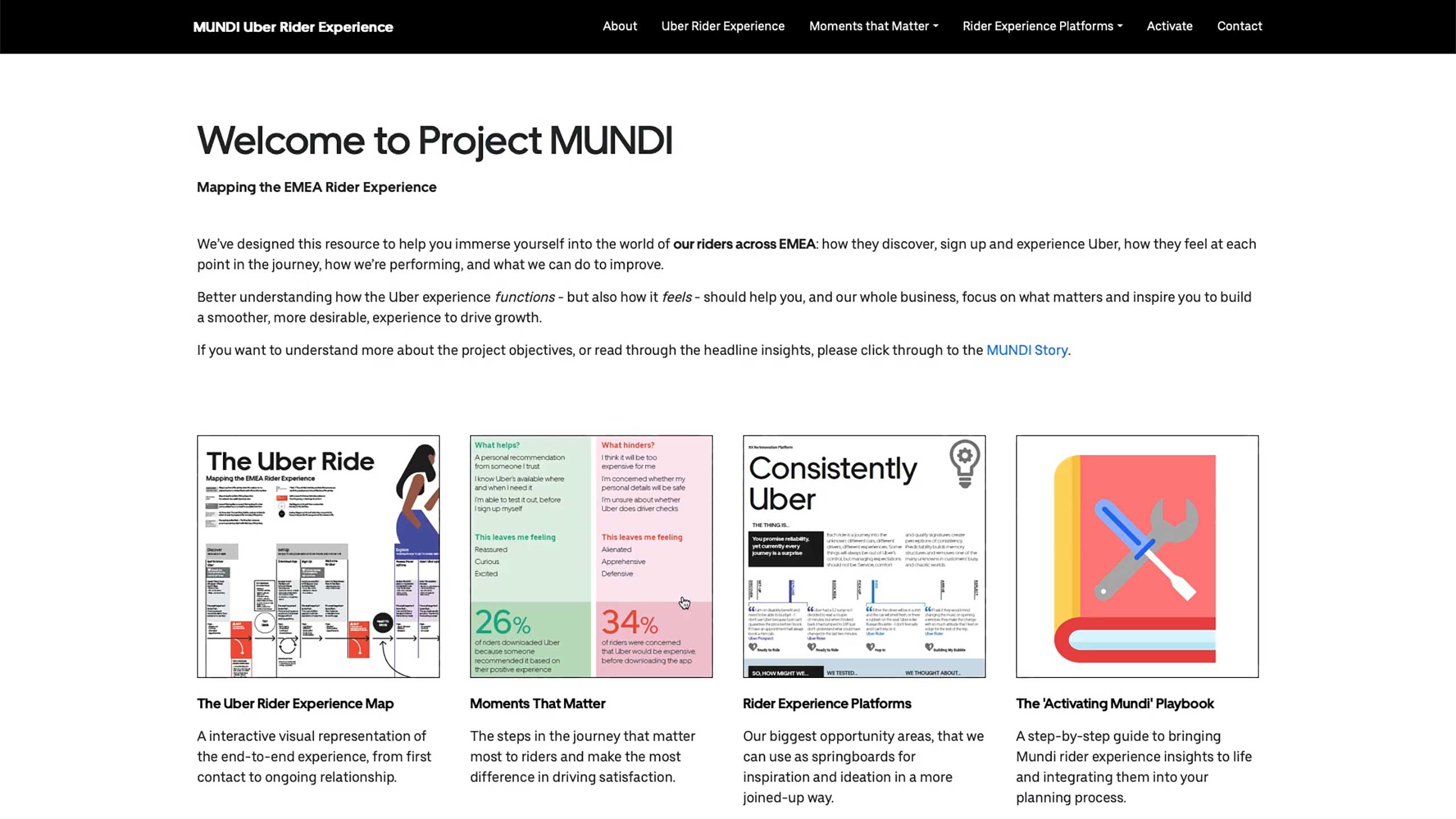
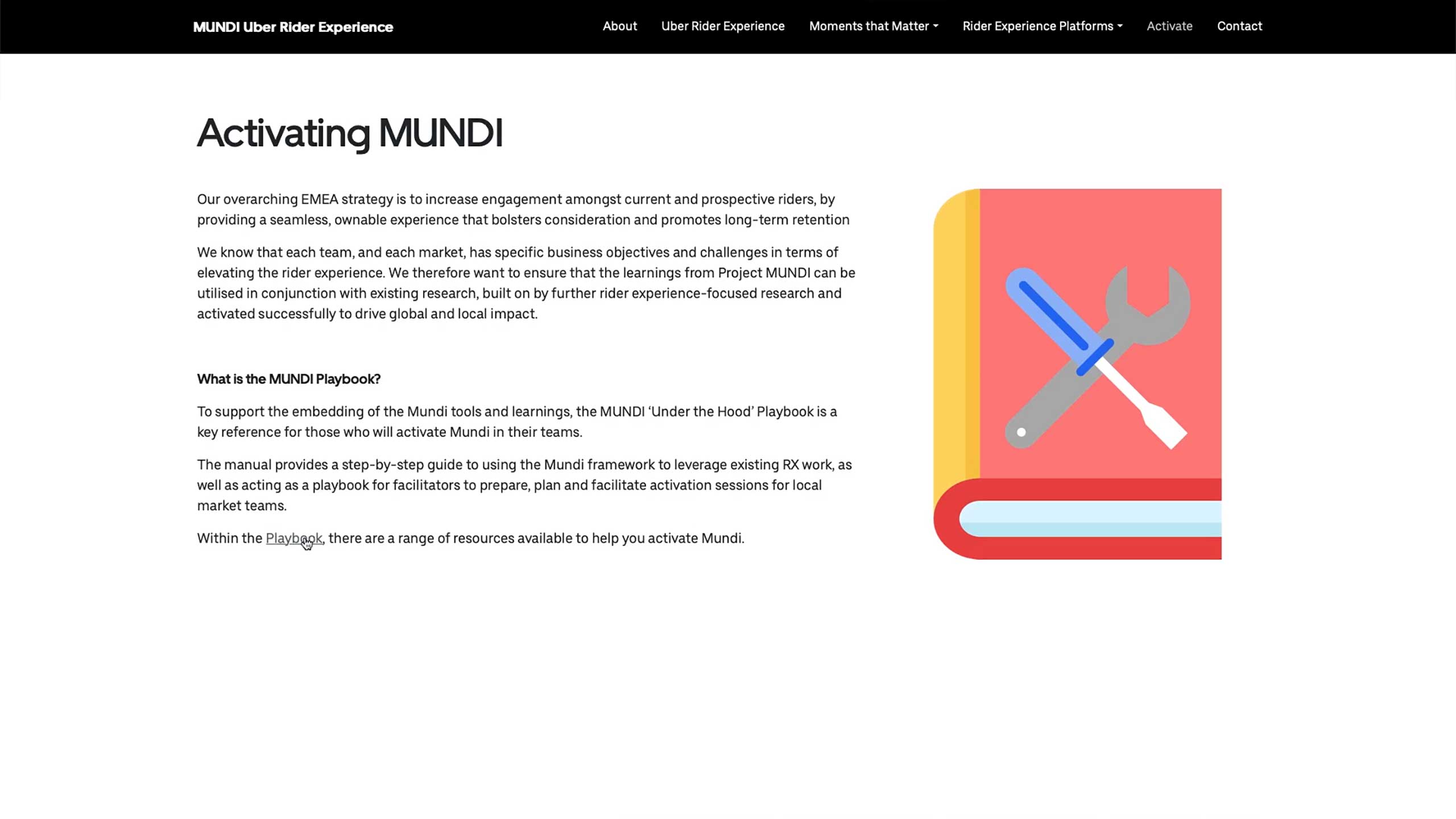
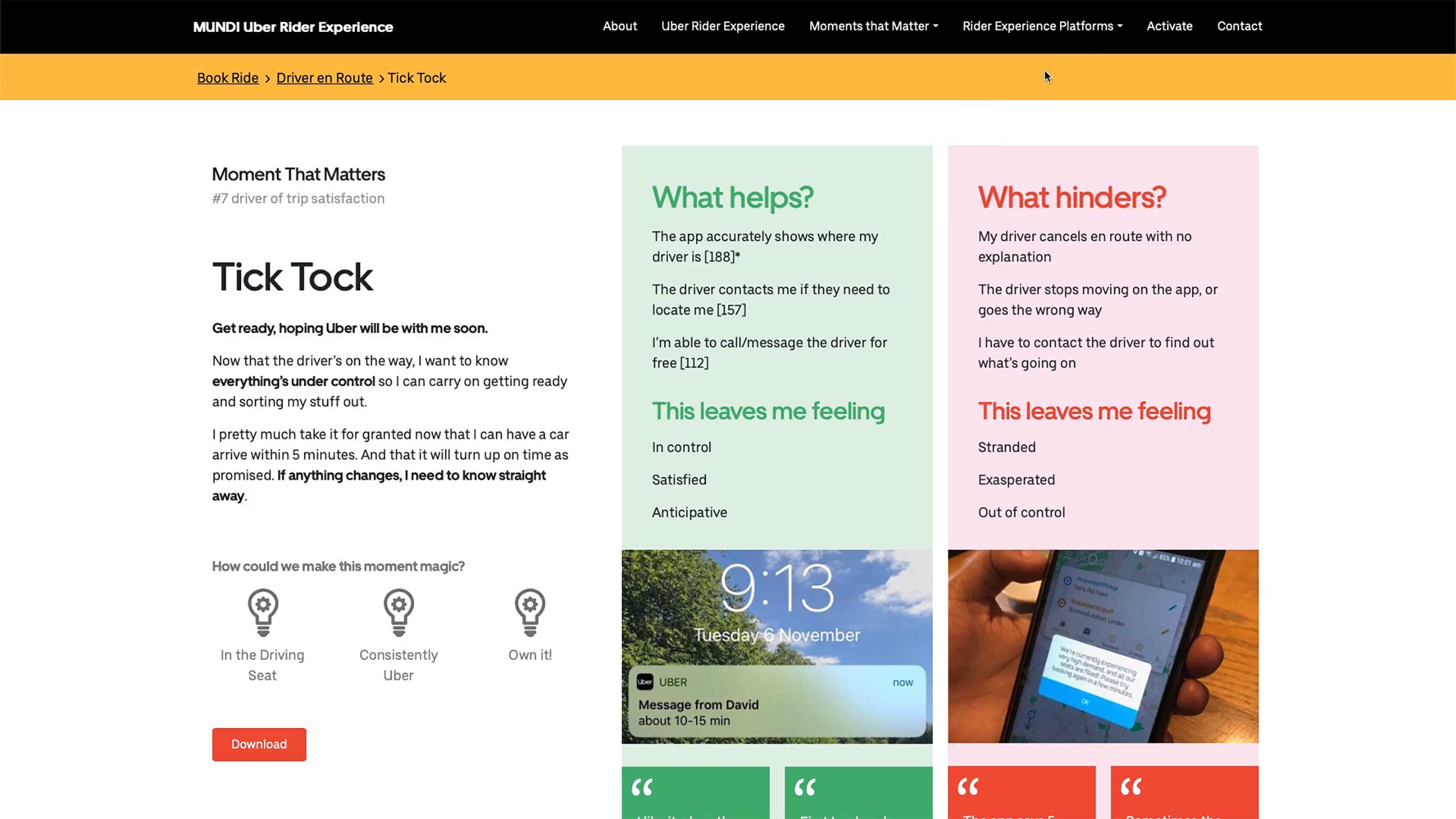
The service design work translated everything into a deployable digital toolkit: a Rider Experience Map covering 8 phases and 26 steps, 11 Moments That Matter cards, the 8 Platform documents, an activation playbook, and a data dashboard. All of it was built into Uber's own microsite and workflows. Teams could reach the tools inside their existing planning cycles. The system was stress-tested across 10 co-creation workshops before the platform went live.
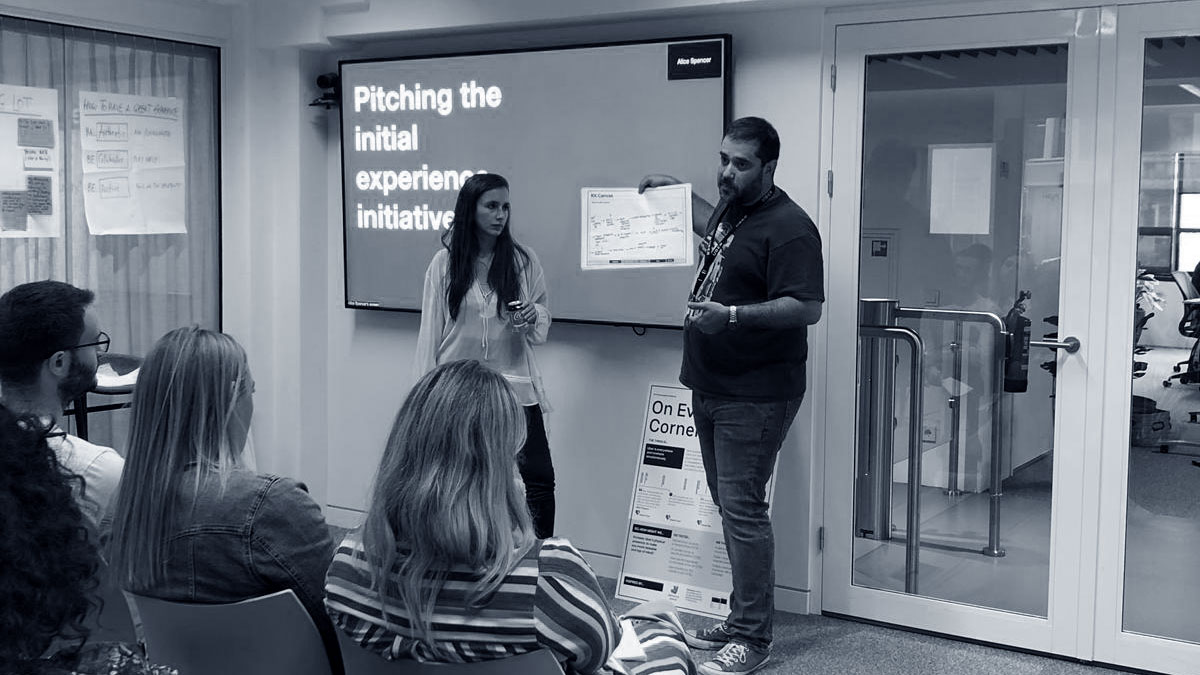
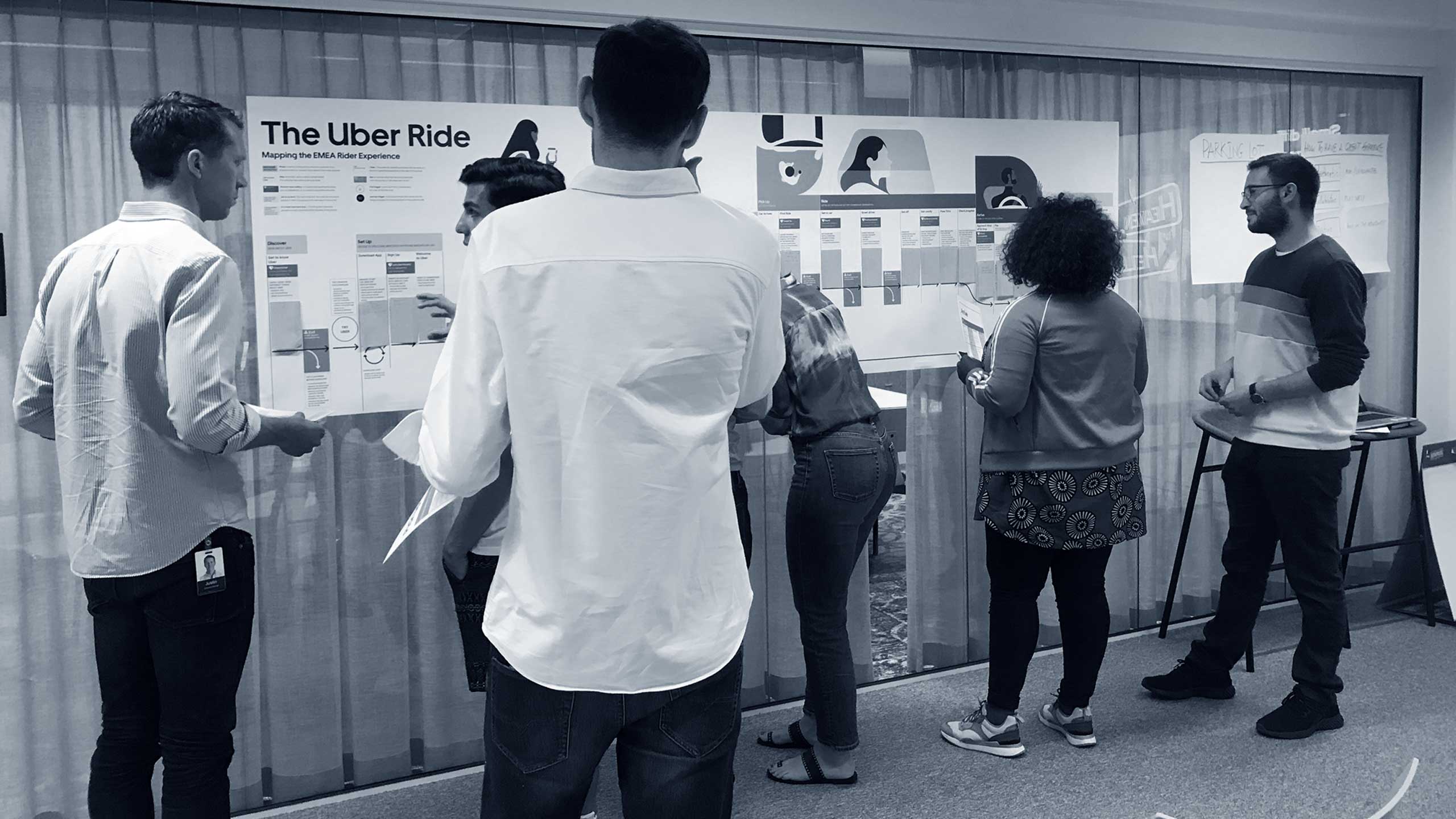
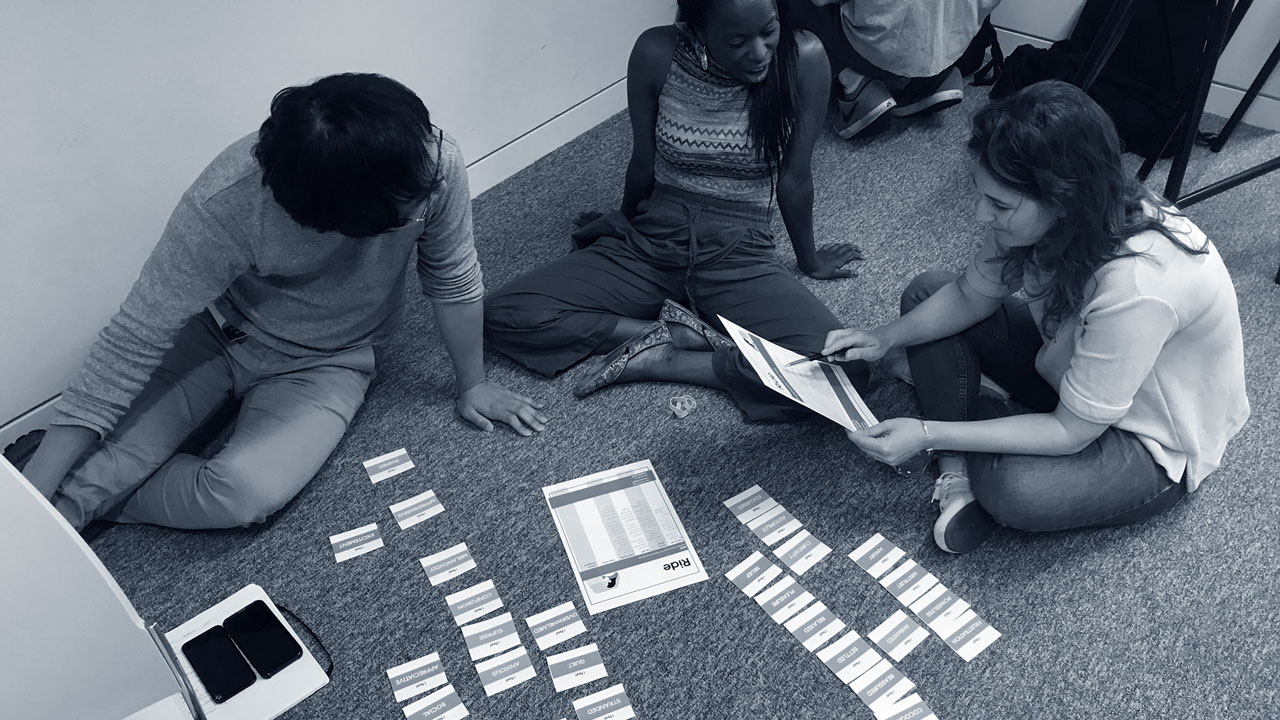
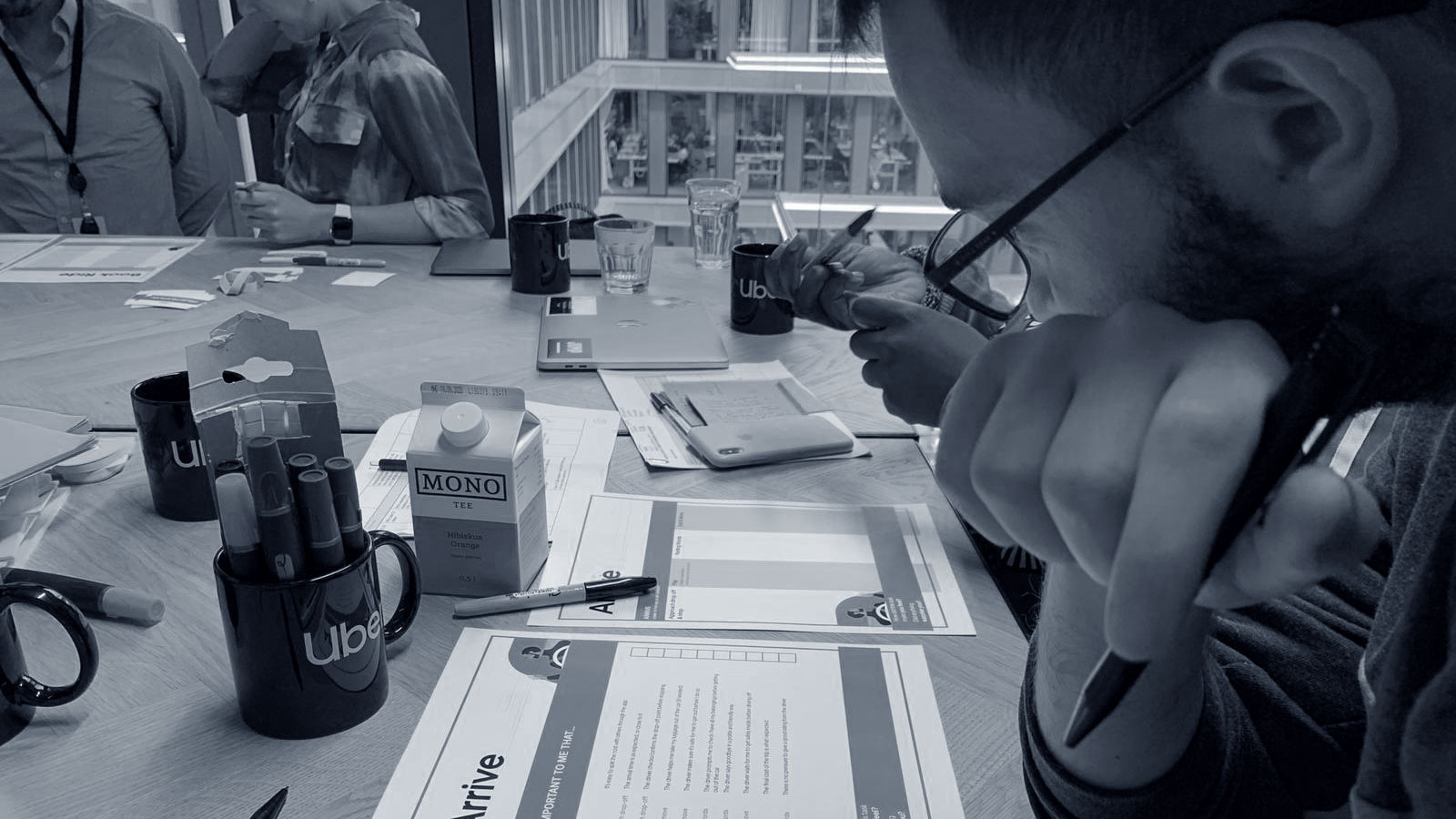
The interactive journey map visualises the whole rider experience, highlighting key opportunities for innovation
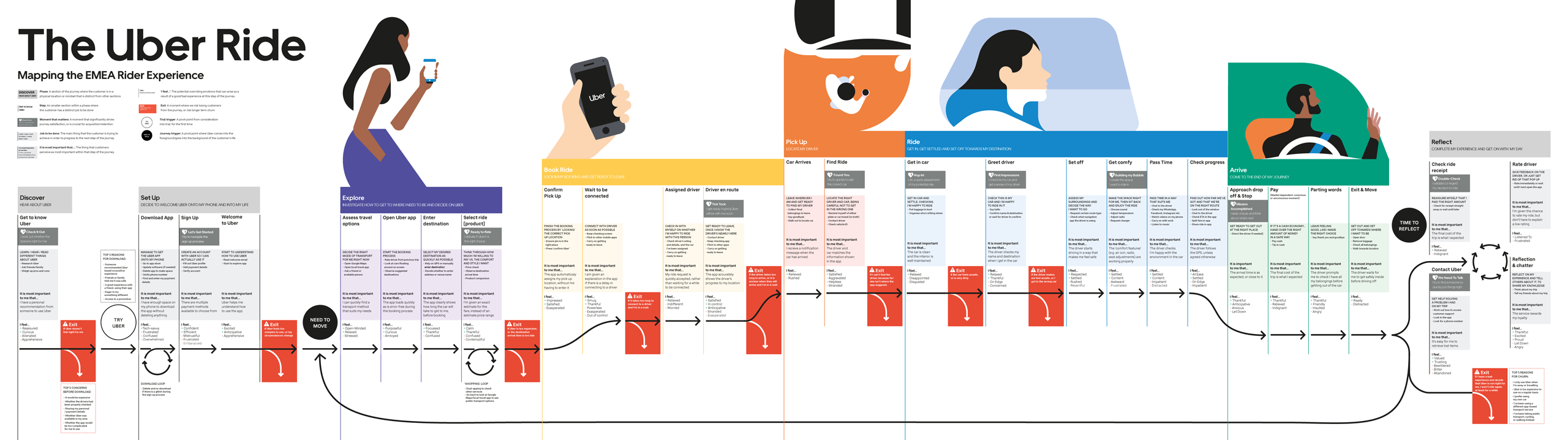
The journey map has hot spots linked to the Moments That Matter, which are connected to the related experience platform opportunity areas
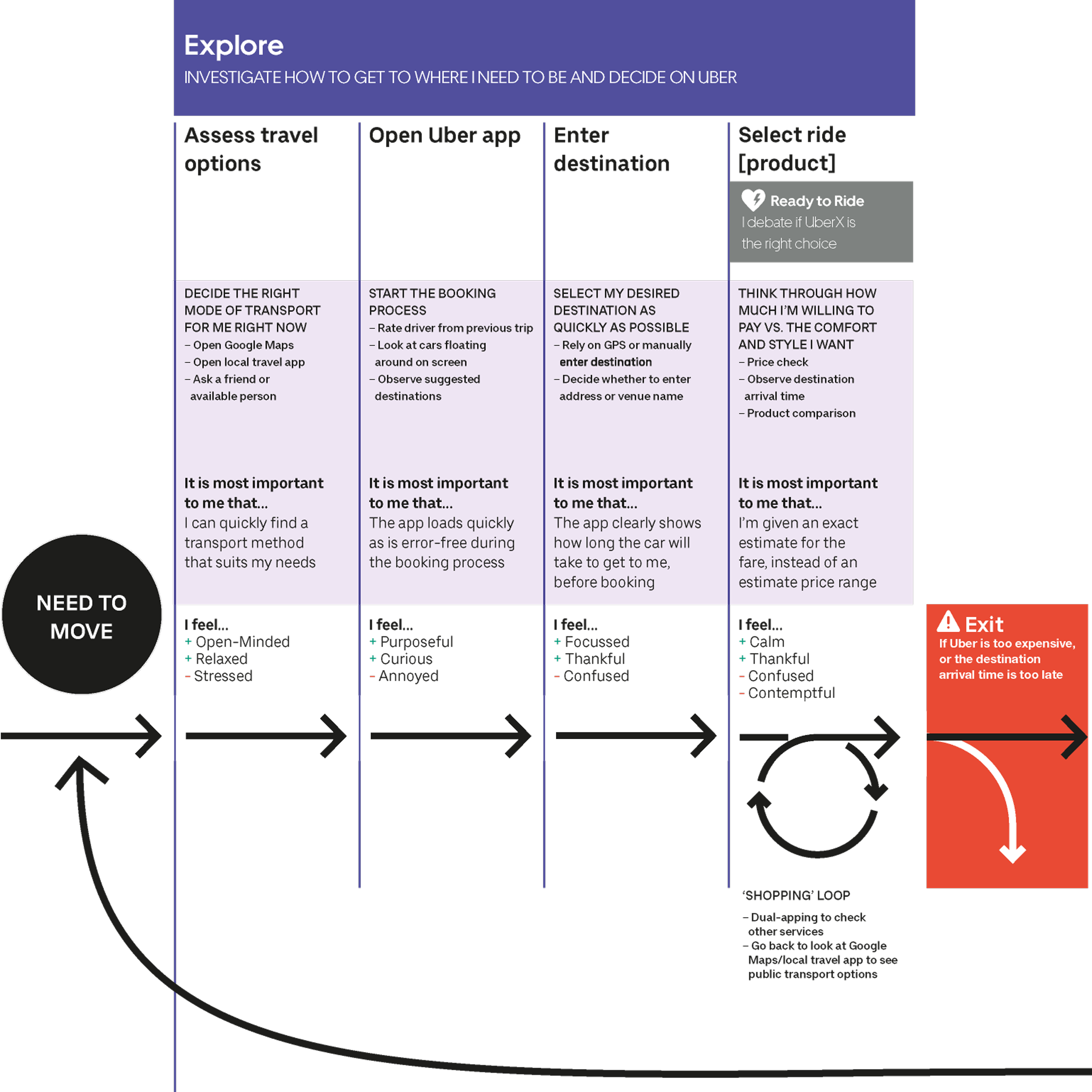
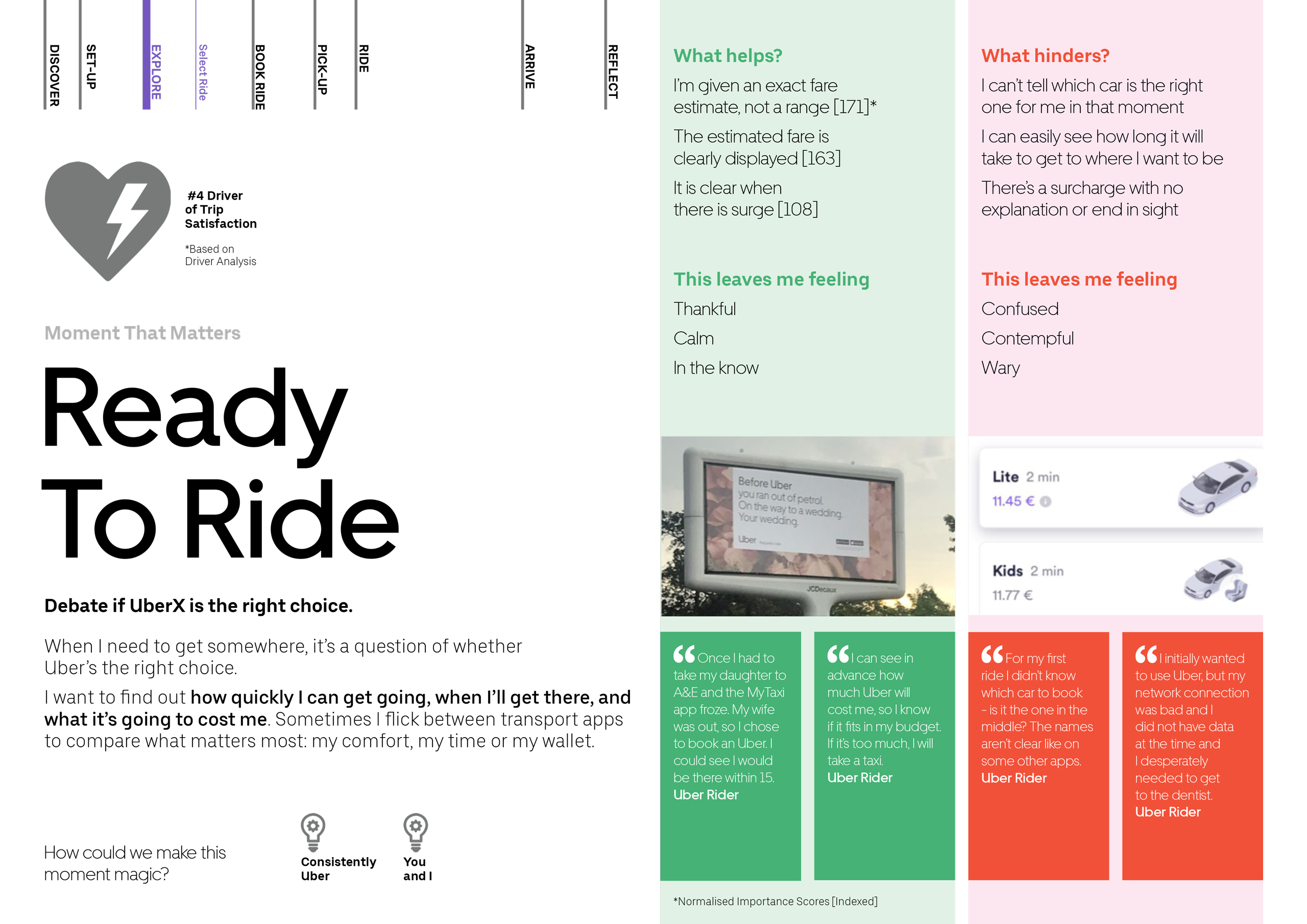
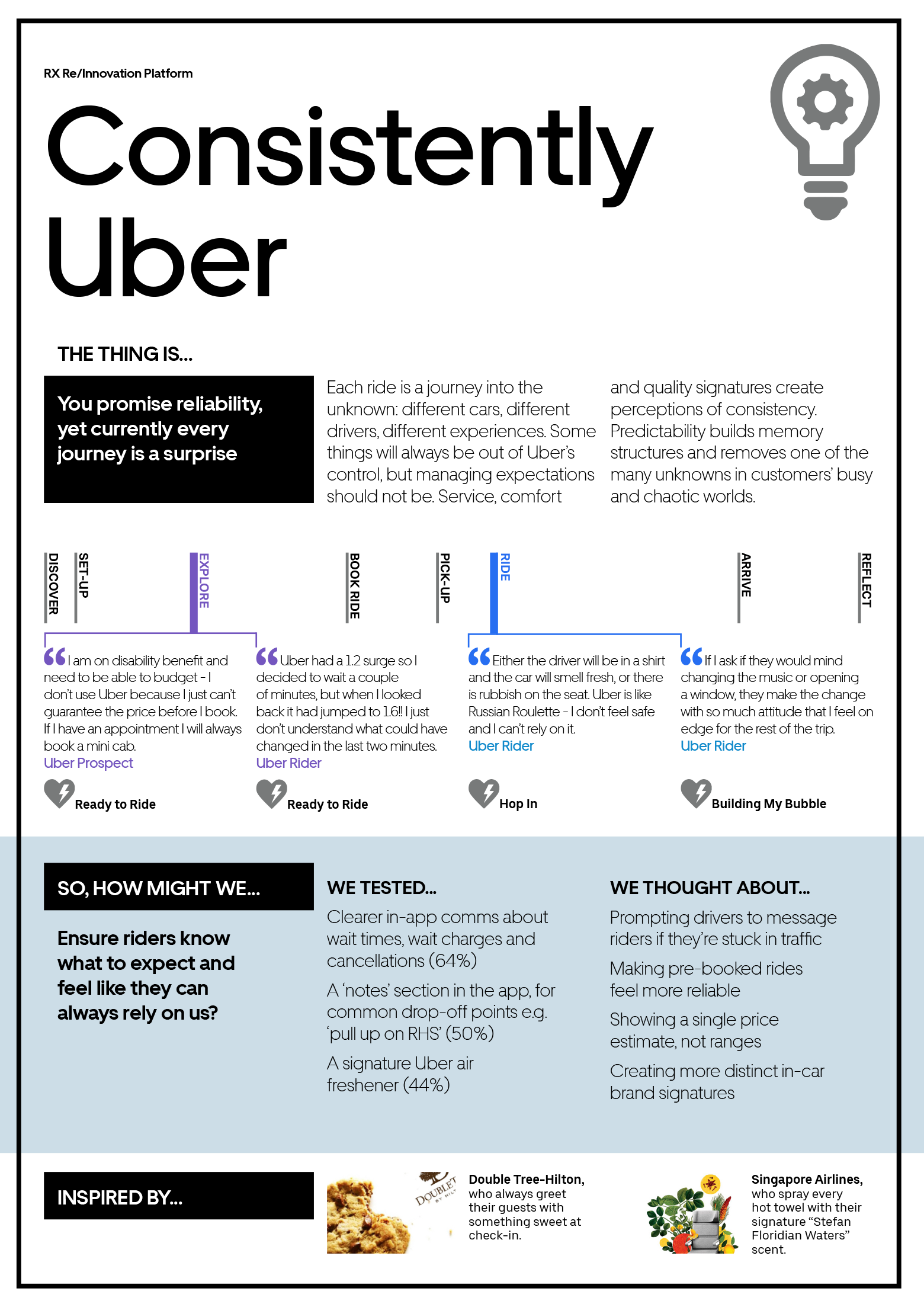
From journey maps to dashboards, each tool was built for use inside Uber’s systems
"The impact of this work could really have only been realised through a strong strategic partnership and C Space understood early on that more than a detailed map of our customer experience, what we really needed were the tools to activate and embed this in the business."
Daniela Nortjé
Customer Experience
Insights & Innovation
Uber EMEA
Outcomes
An evidence-based picture of what actually drives rider loyalty
Experience Systems gave the work its coherence: brand experience reframed what loyalty meant for Uber, customer experience pinpointed where it was being won and lost, and service design ensured the tools for acting on that knowledge were embedded where teams already worked.
4,443 riders across 4 markets, validated by regression analysis, gave Uber its first evidence-based view of the emotional drivers of rider loyalty.
11 Moments That Matter and 8 Experience Platforms replaced siloed briefs as the shared planning language across Ops, Product, Marketing, and Support.
Planning cycle effort reduced by an estimated 20–30% as teams used the ready-built toolkit rather than commissioning bespoke research per initiative.
The digital toolkit, housed on Uber's own platform, removed duplication and gave every market-level team direct access to EMEA-level insight without additional process.
Uber EMEA Case Study: Journey Orchestration for Rider Loyalty
FAQ
Client: Uber EMEA
Sectors: Mobility, Consumer Tech
Role: Director of CX & Experience Design (C Space London)
Scope: Fix, Create - Experience (CX)
Curious how this approach might apply in your context?
Call me Ale