GOOGLE HUMAN TRUTH
People, Not Pixels
In Brief
Design Google's internal insight agency from scratch.
Named "Google Human Truths: People, Not Pixels".
I led identity, editorial system, and digital product.
I built the hub and publishing workflows for Think with Google.
Proved human-centred design drives commercial value.
Outcomes and Impact
25% reduction in reporting rework via unified hub.
Shaped Unilever’s largest rebrand in a decade.
Secured new Nestlé business through strategic insight use.
Situation
Google had data, not trust
Google's top 30 advertising clients had access to more data than most organisations could meaningfully use. The problem was that data alone wasn't enough to win their strategic trust. Google's relationship with these clients had settled into a familiar pattern: advertising optimiser, not growth partner. Reports were functional. Insights were plentiful. But nothing was landing as a reason for advertisers to think of Google as the place to bring their biggest brand challenges.
The brief we received was unusually open: if Google were to build an internal brand strategy and insight agency from scratch, what would it look like? That question sat at the intersection of brand positioning, client experience, and operational design. Answering it required more than a new team name.
Google had vast datasets but lacked the cultural and emotional insights to inspire its top 30 advertising clients.
Approach
A new division, designed from the ground up: name, identity, system
The starting point was a diagnosis that shaped everything that followed. Google's existing data showed what people did, but almost nothing about why. No demographic texture, no emotional context, no cultural framing. To change how advertisers experienced Google as a partner, we first had to change what Google could offer them.
I directed the end-to-end design of the new division: its strategic positioning, its visual and editorial identity, and the infrastructure needed to make it work at scale.
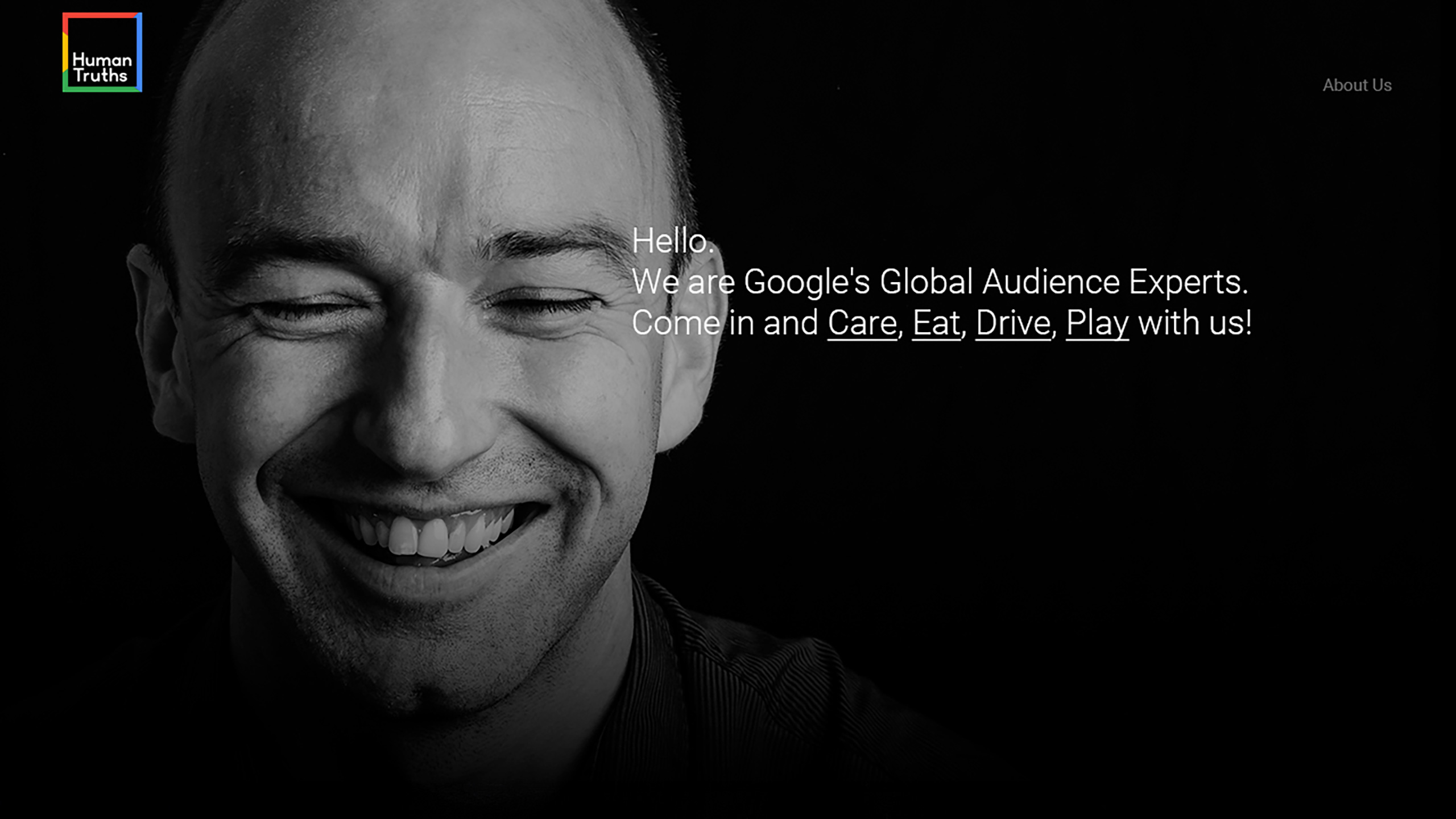
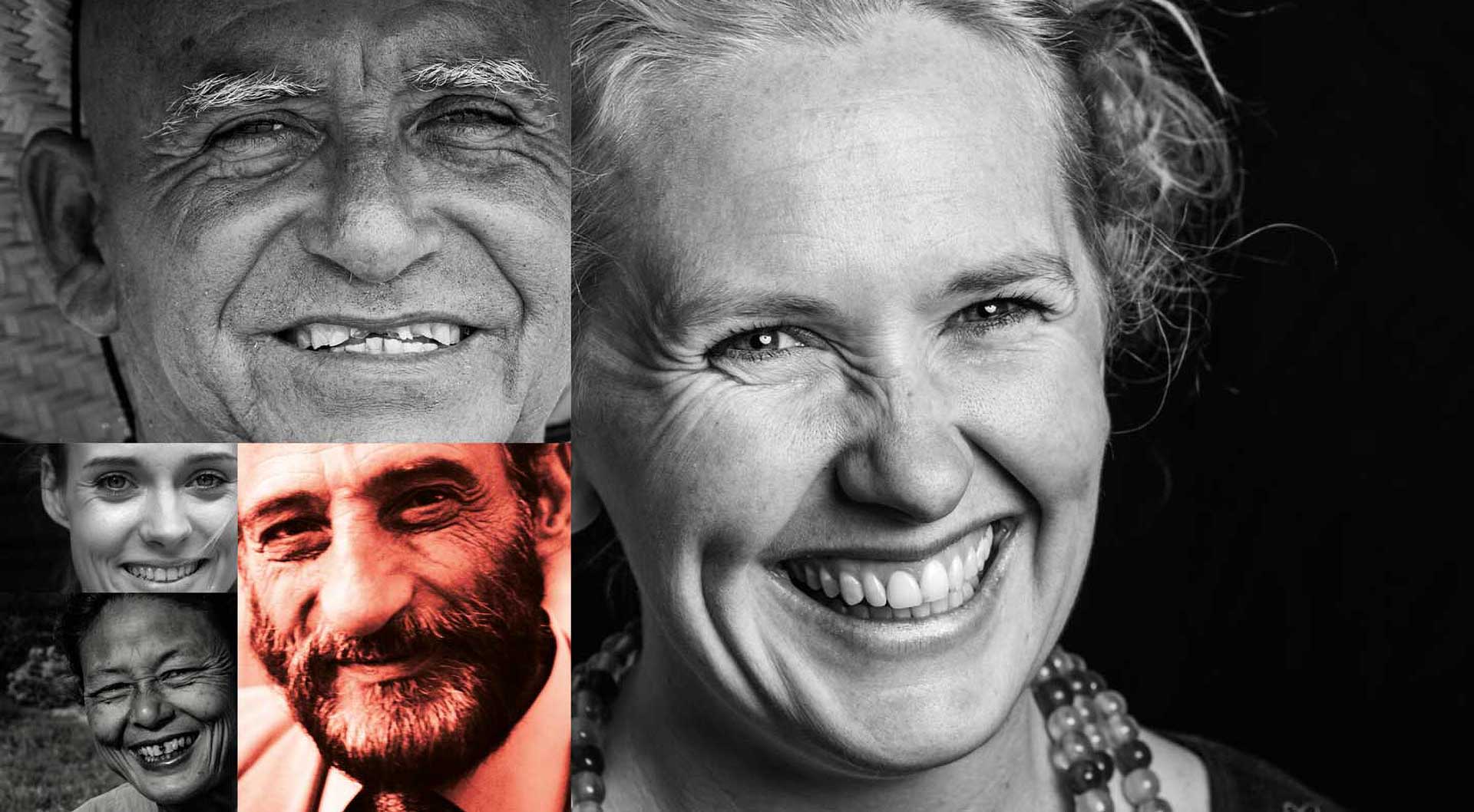
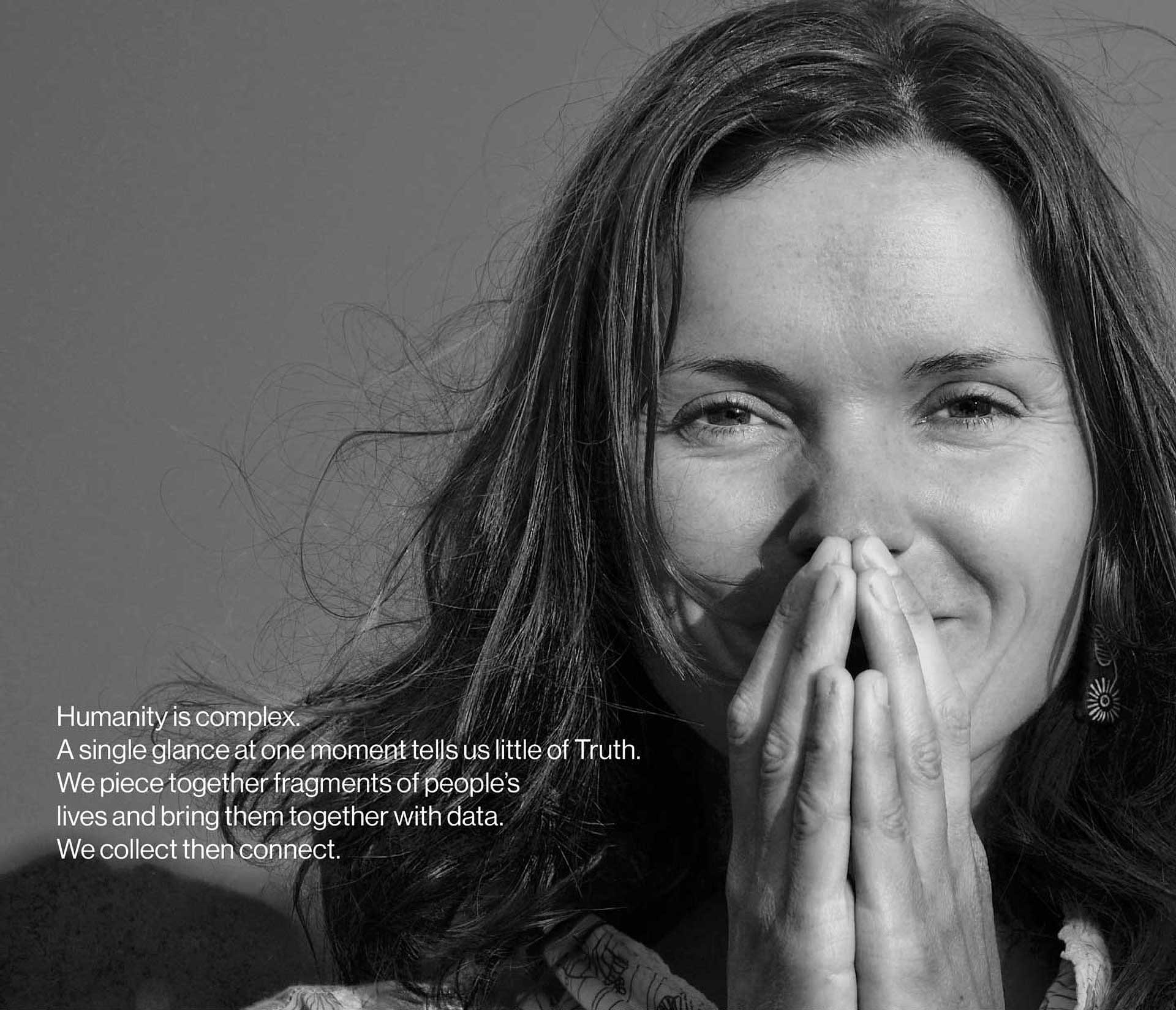
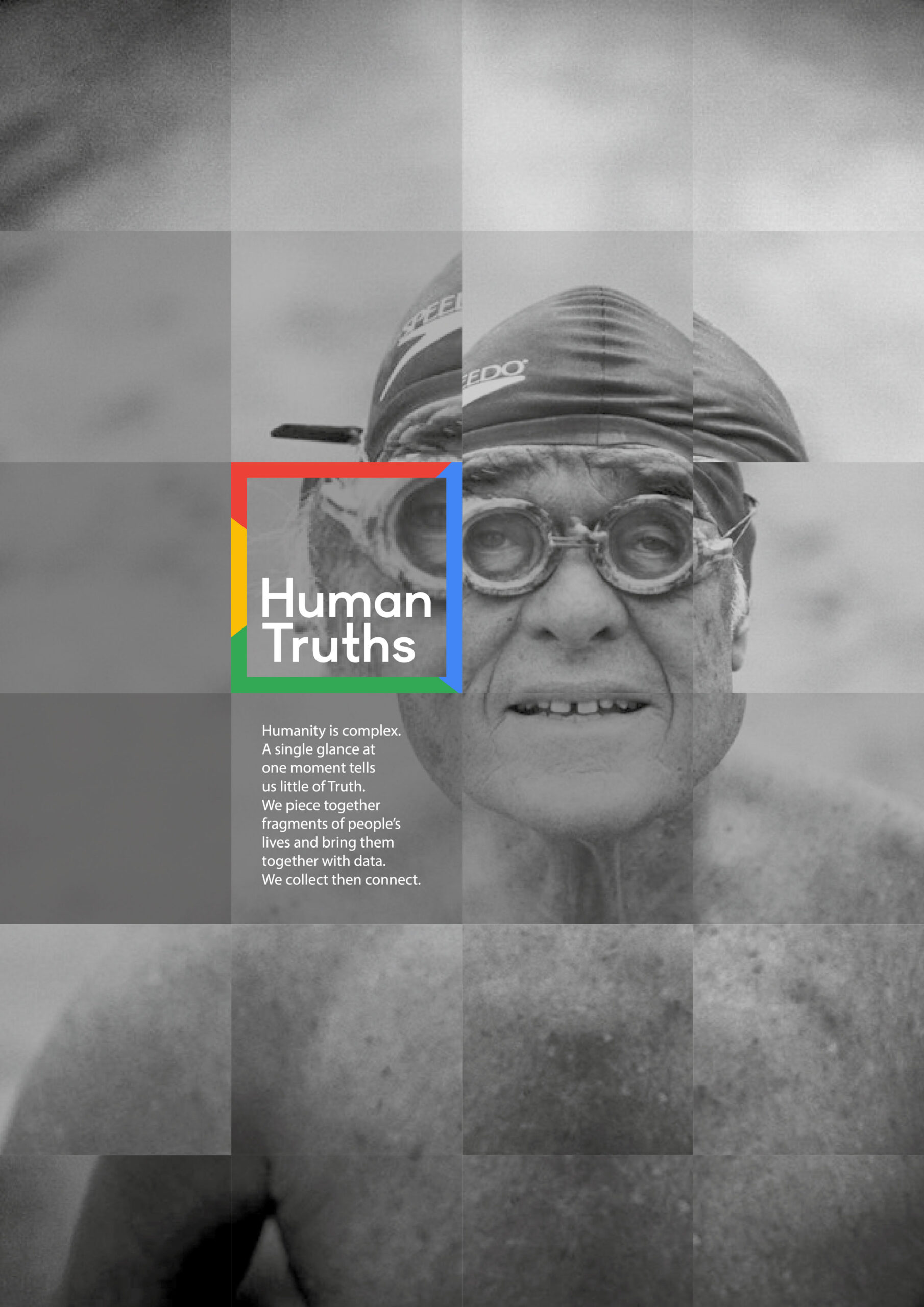
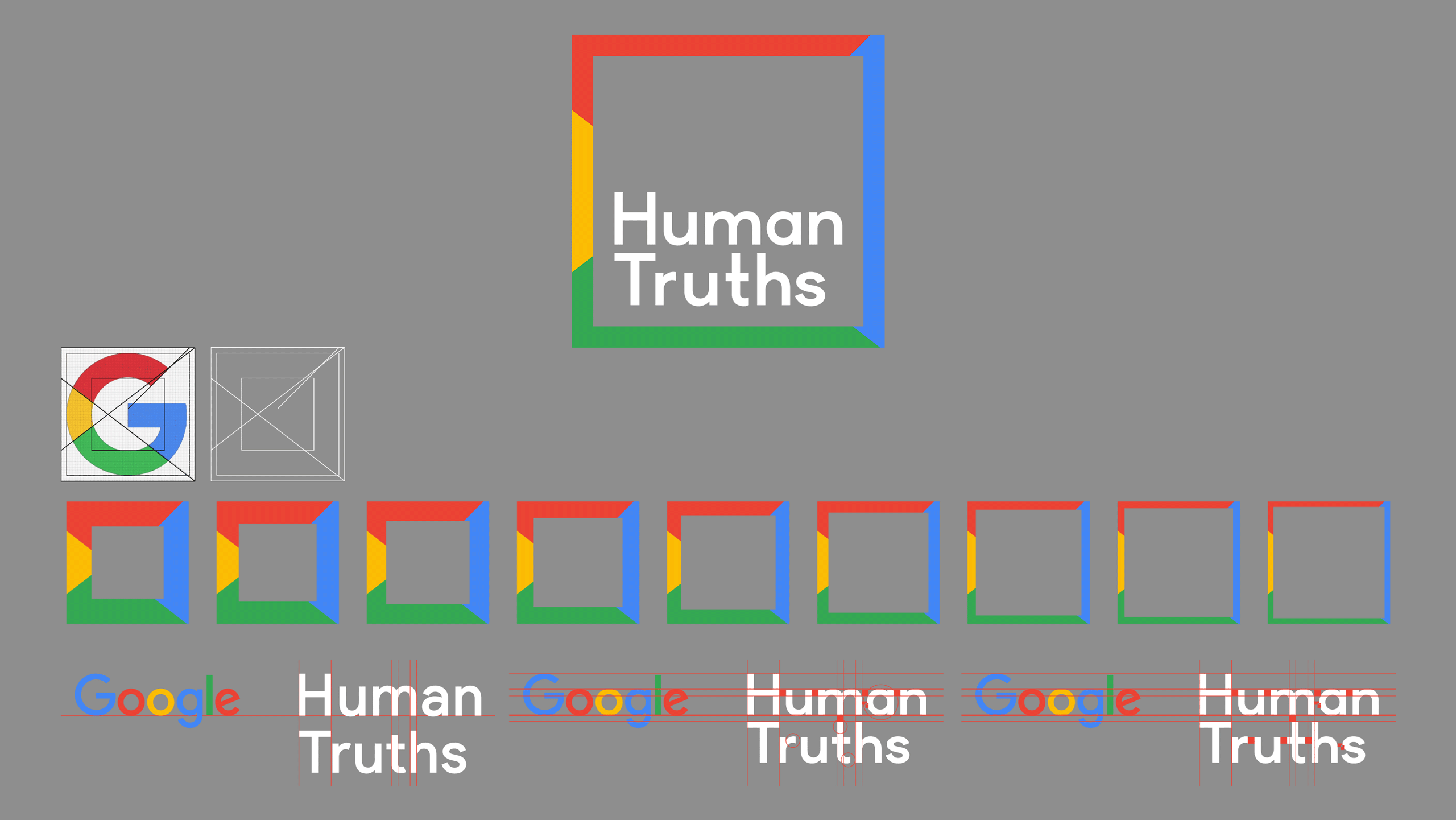
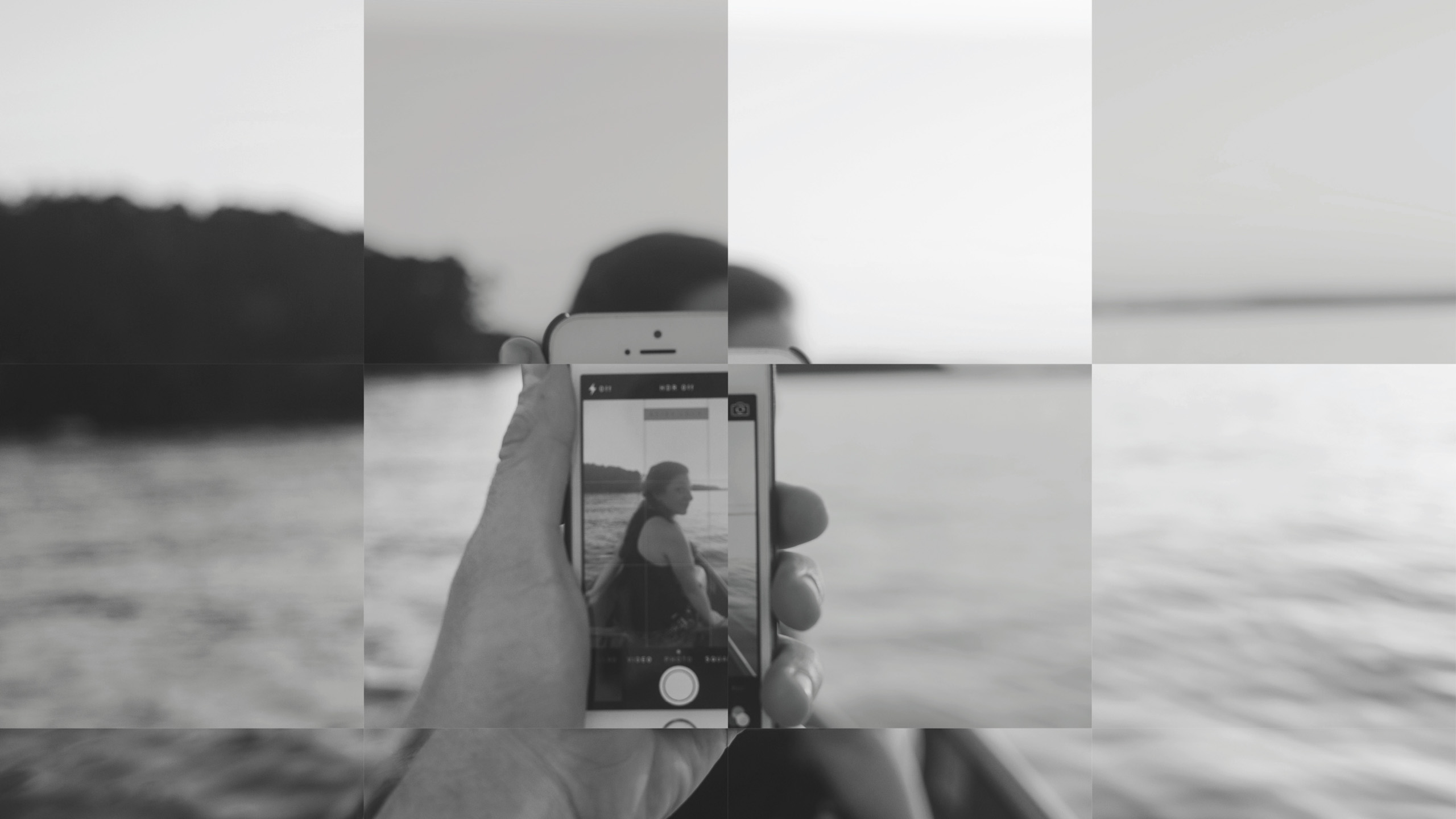
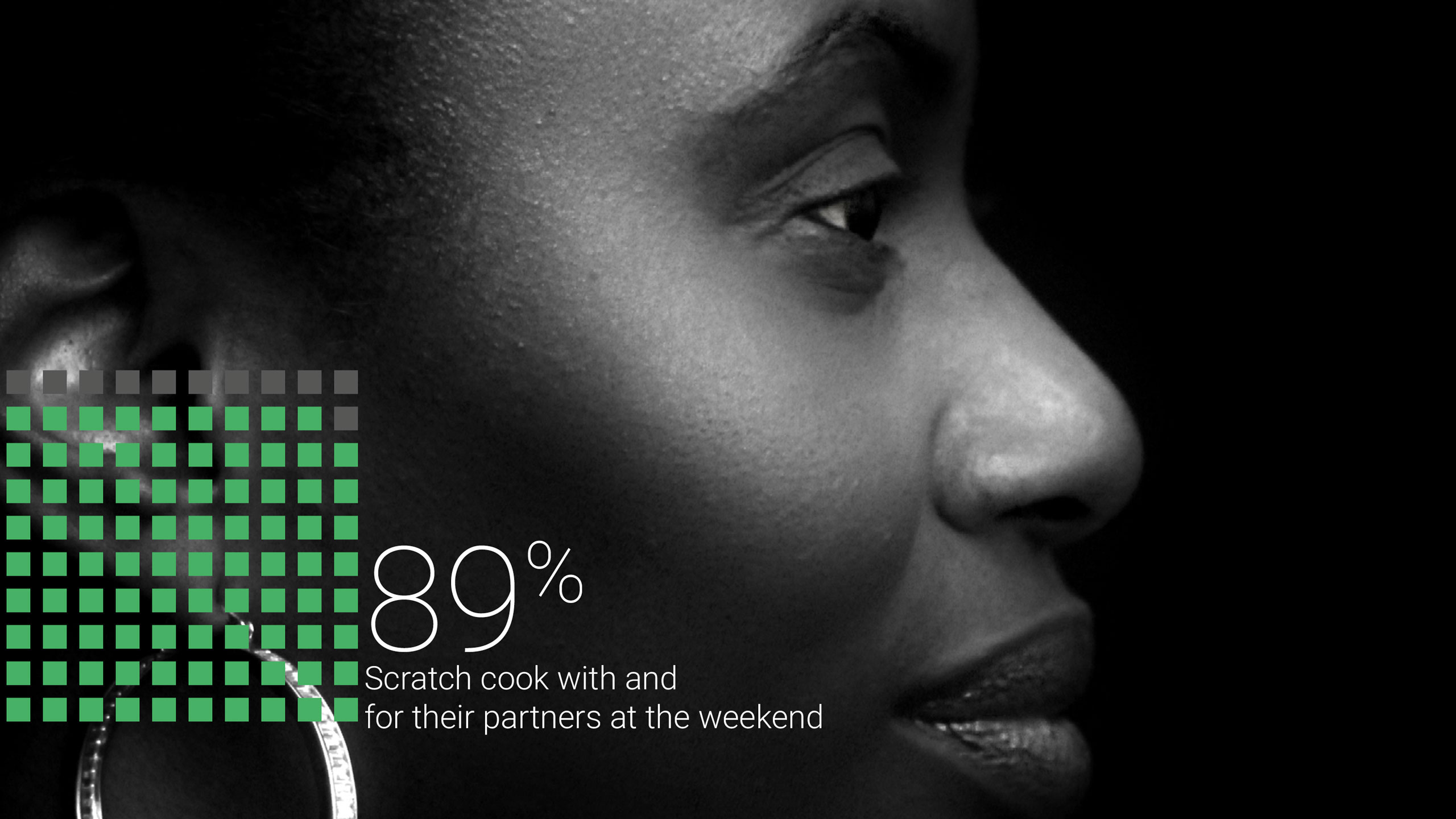
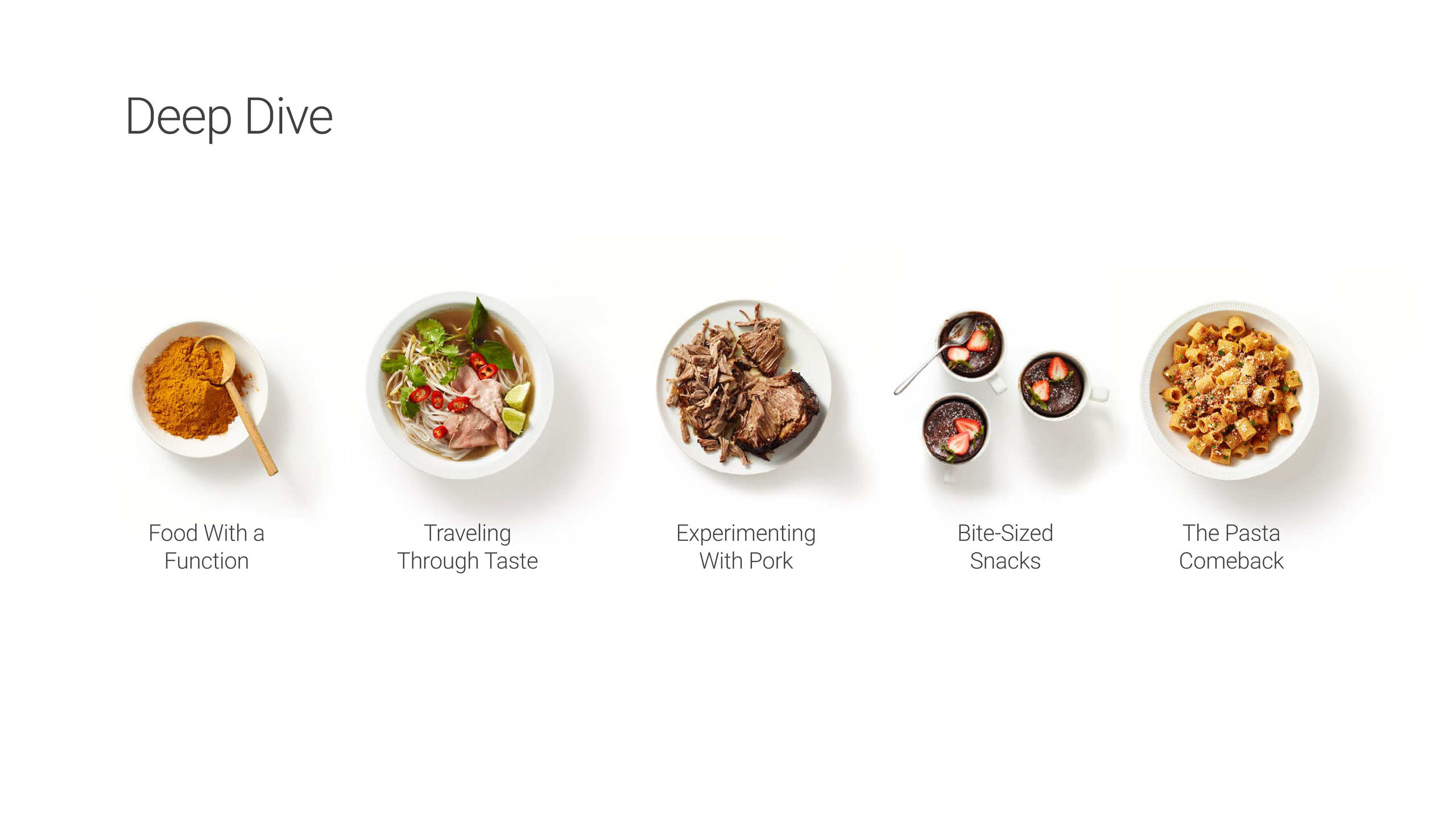
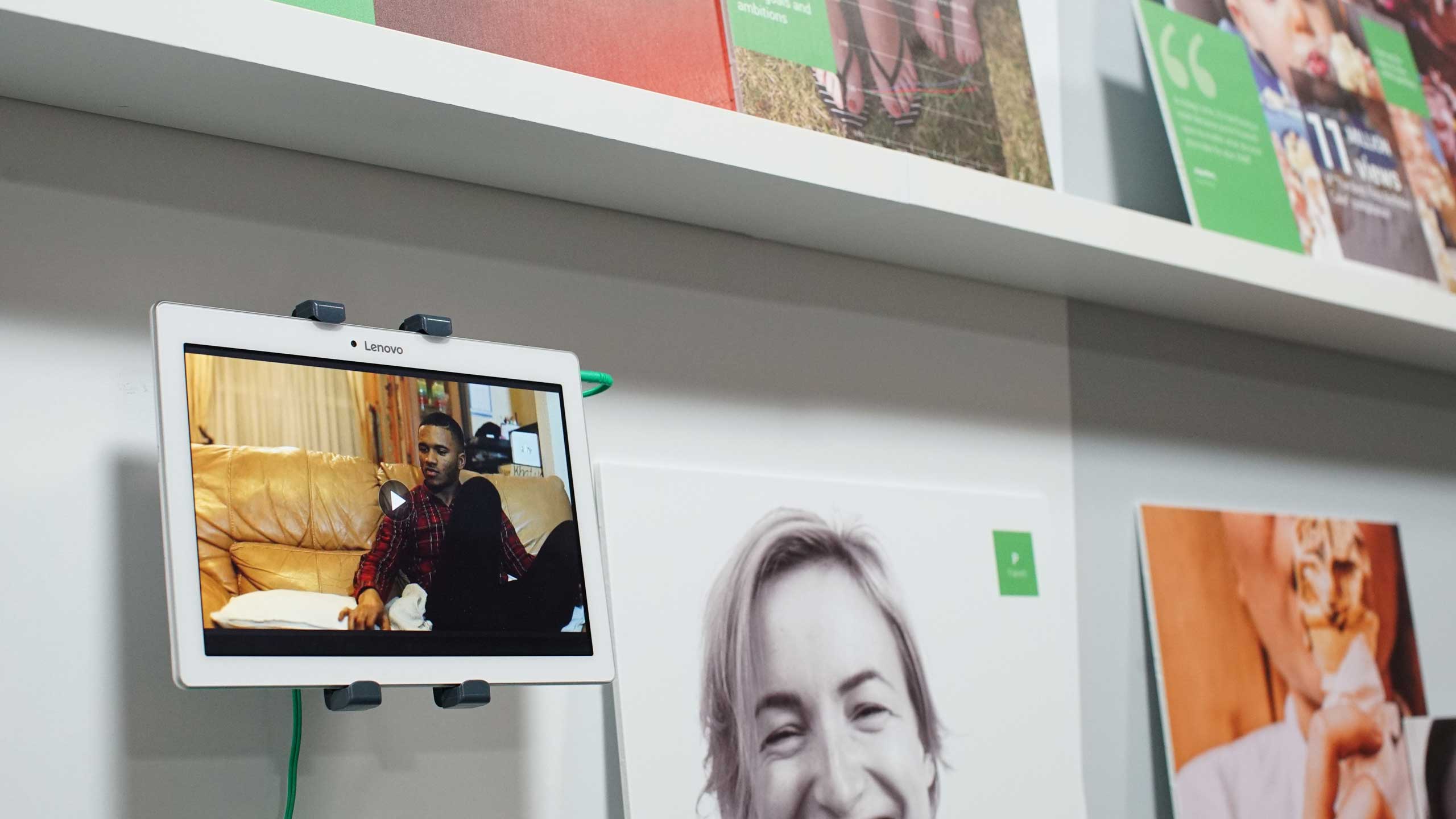
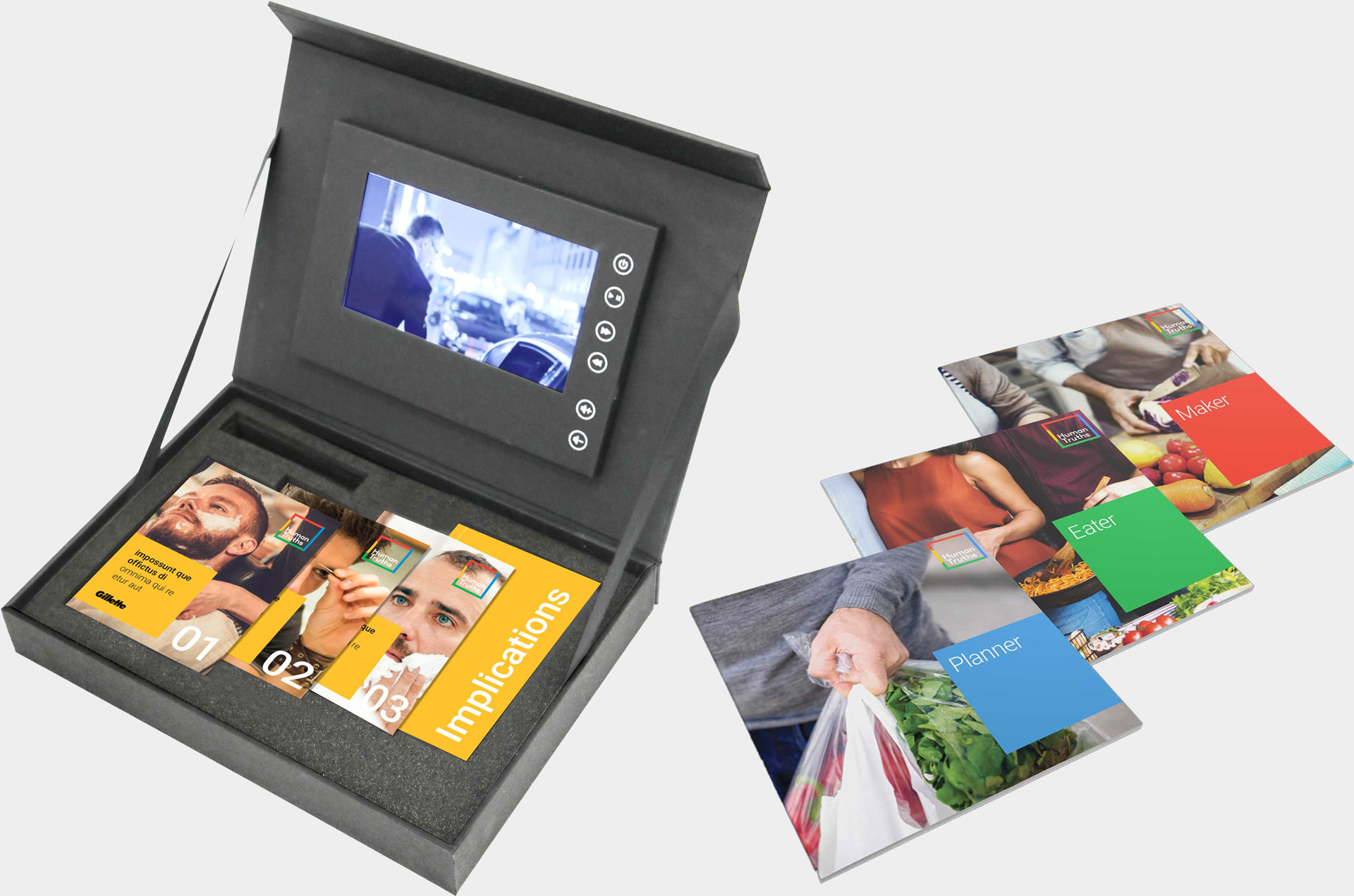
The brand design work gave the division a name and a point of view. Google Human Truths, anchored in the line People, Not Pixels, signalled a genuine shift in what Google was offering without breaking from Google's broader brand architecture. The identity used puzzle-like imagery layered with photography and typography, designed to reflect the complexity of lived human experience rather than the clean abstraction of a data dashboard.
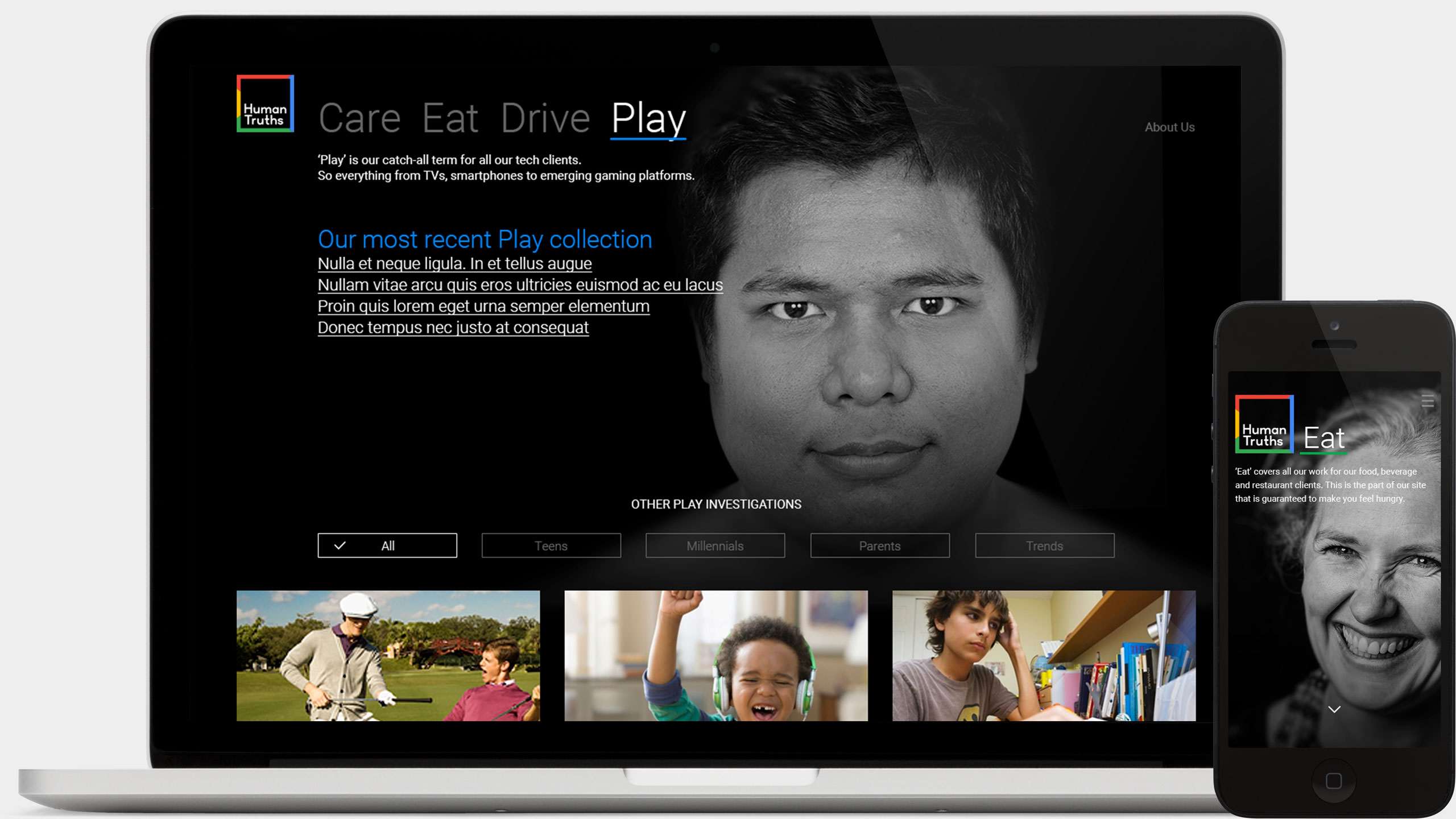
The CX/EX design centred on how insight would actually reach and resonate with client teams. We reframed research outputs as editorial stories organised around four quarterly focus areas: Care, Eat, Drive, and Play. Three interpretive lenses, across life, business, and data, gave advertisers a way into the material that connected emotionally and commercially, not just analytically.
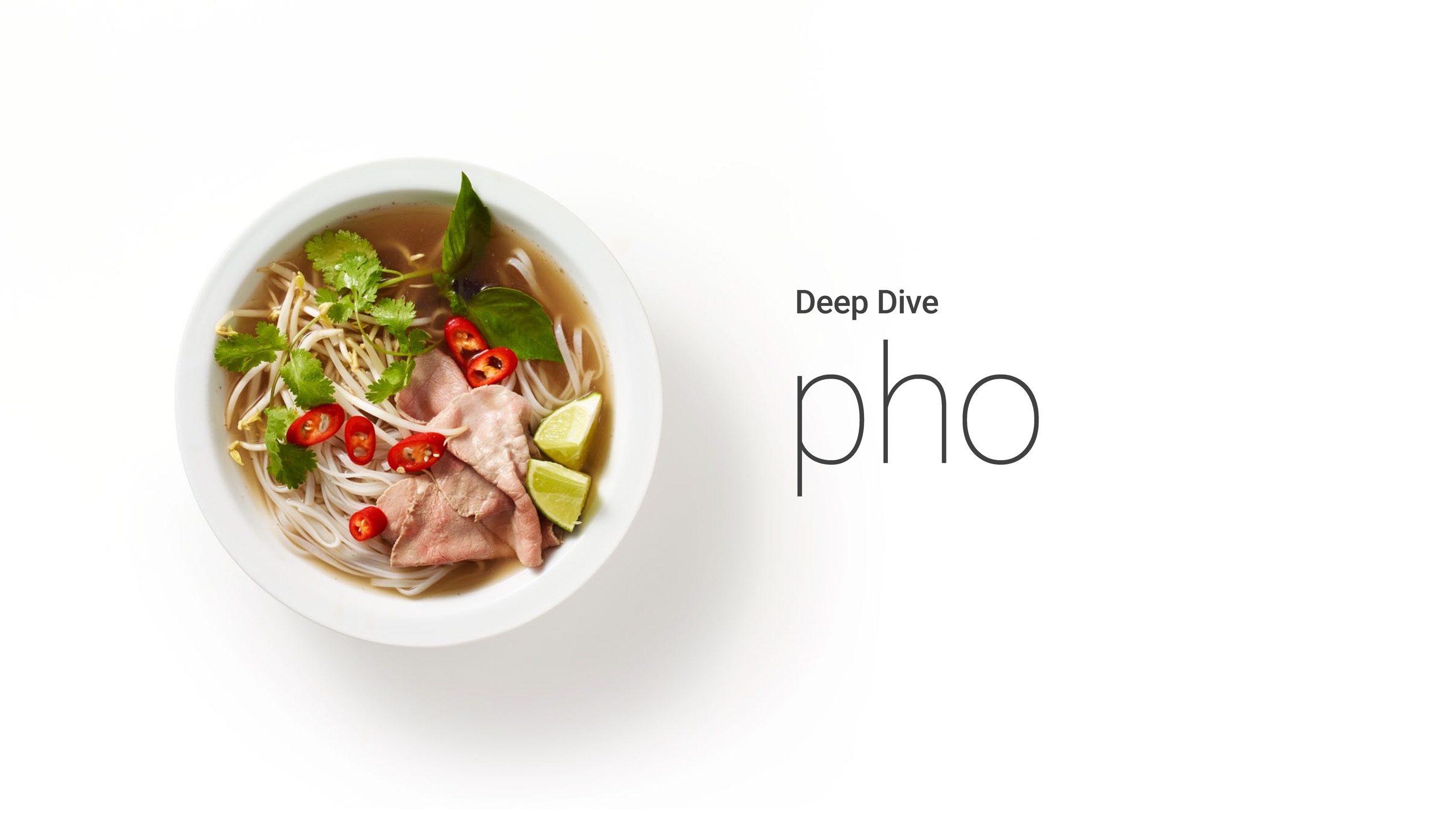
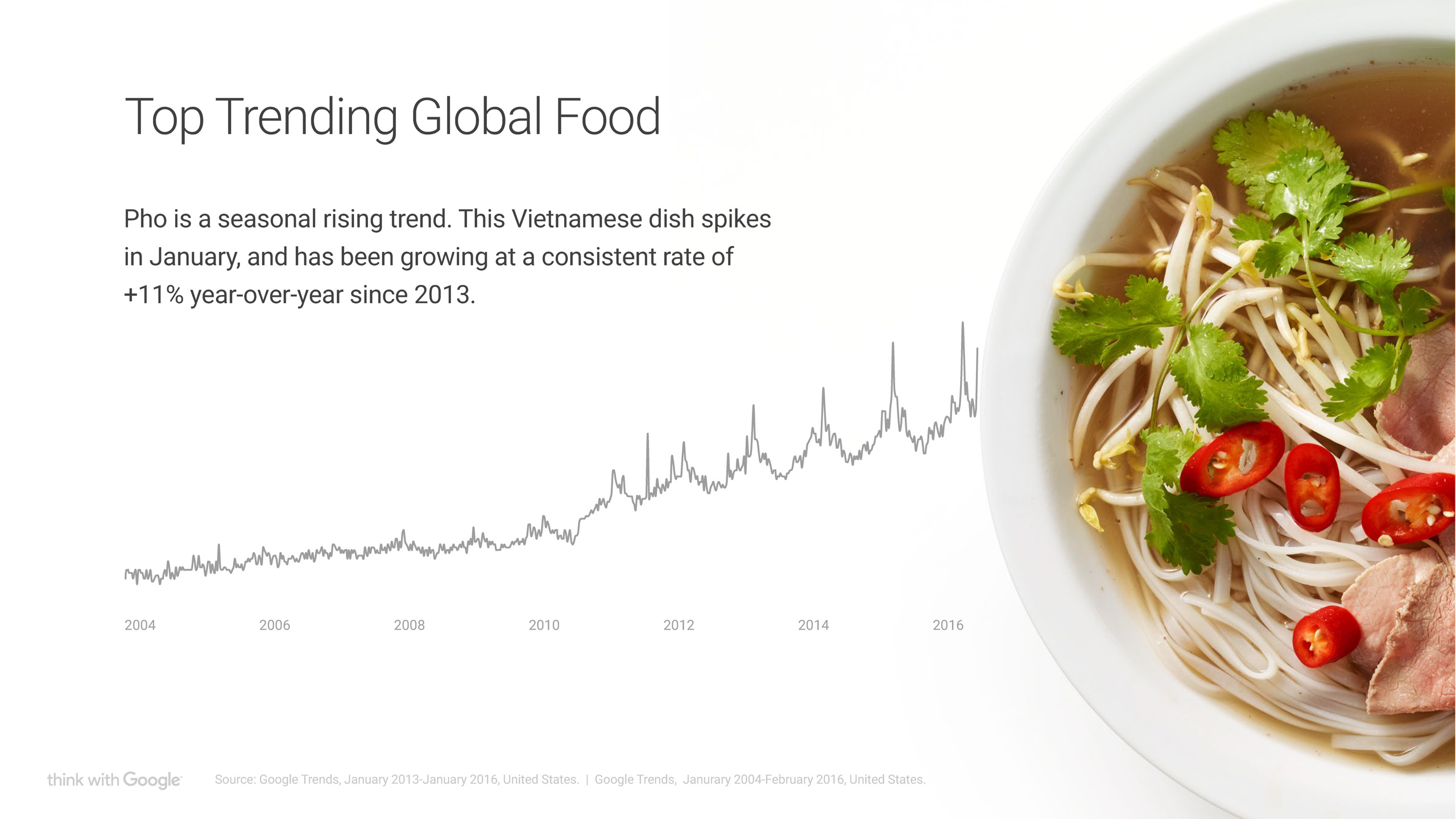
The service design infrastructure made it repeatable. We built a centralised internal hub on Google's own platform, replacing scattered reports with a single repository. A parallel public-facing publishing stream via the Think with Google platform gave the division external credibility with the same clients it was serving internally. Training and onboarding programmes embedded the new workflows into how teams actually prepared for client engagements, so the system didn't depend on any single person to keep it running.
System
One connected system, designed to make insight travel
The three disciplines worked as one connected model rather than three parallel workstreams. The brand experience positioning set the expectation: Google Human Truths was a thinking partner, not a data feed. The customer experience design fulfilled that expectation in every client-facing output. The service design infrastructure made the promise deliverable consistently, across markets and quarters.
The Google Human Truths team operated with a global community of over 2,000 people across 8 markets, engaged alongside deep data analysis each quarter. The identity, hub, and publishing system we designed was built to activate that community's output and translate it into something advertisers could act on. Each quarter, insight moved from community to hub, from hub to public-facing Think with Google platform, and from there into client conversations. Onboarding sessions and launch events ensured the teams responsible for those conversations knew how to use the system. The division had governance, a publishing rhythm, and a clear model for how insight travelled from research to strategy.
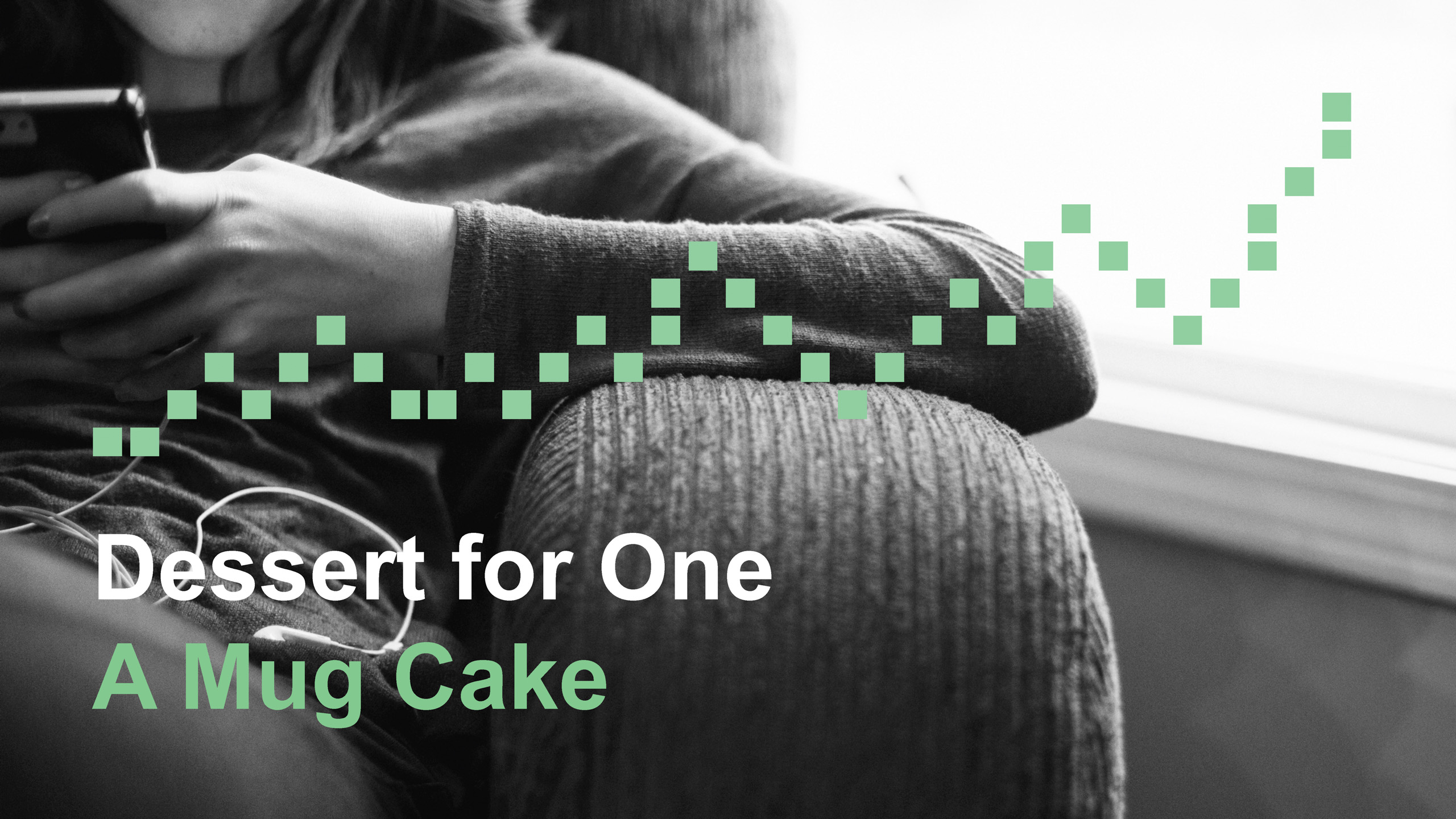
The identity used puzzle-like imagery layered with photography and typography to reflect diverse human perspectives.

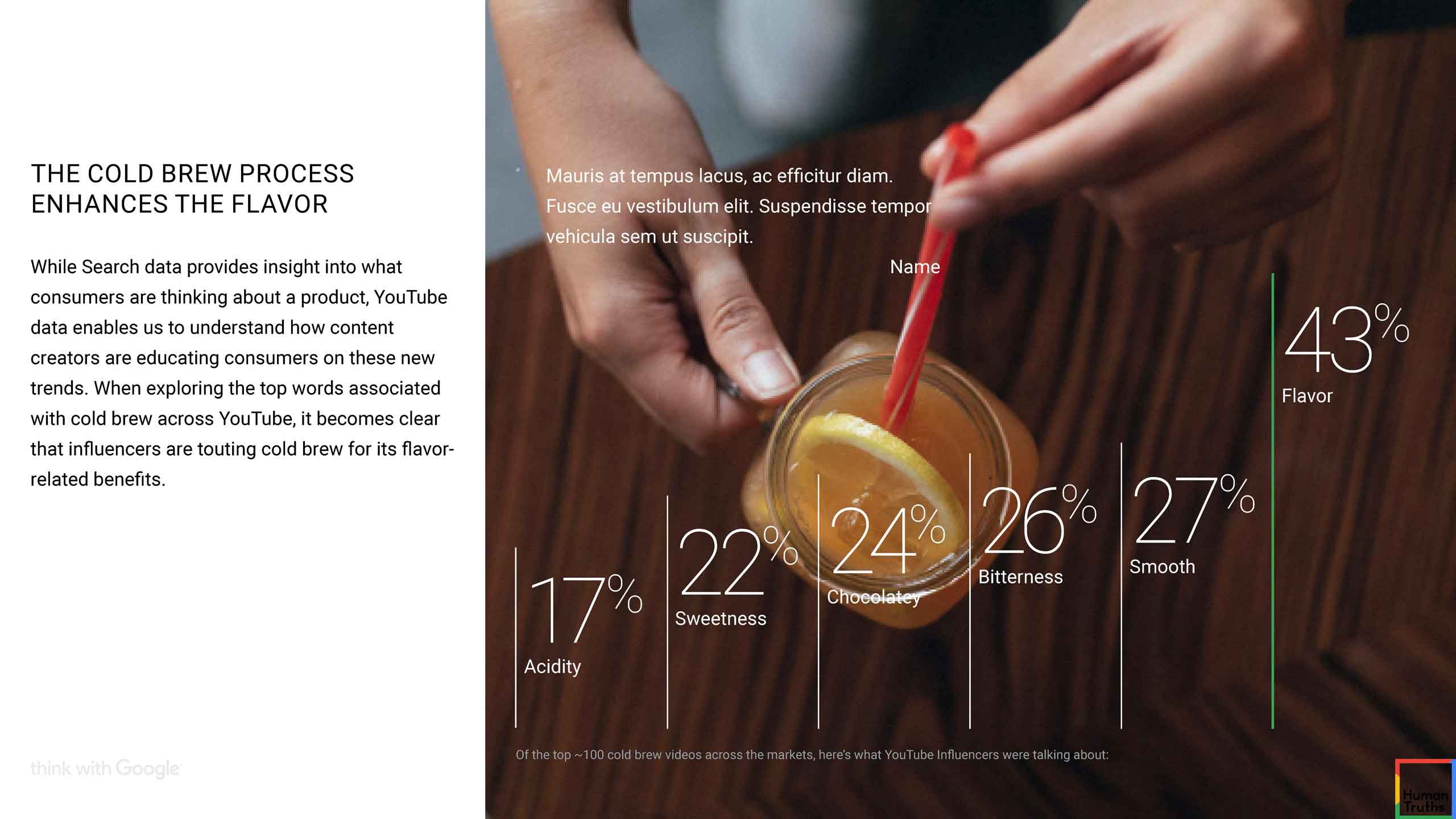
The internal hub unified fragmented reports into a single repository
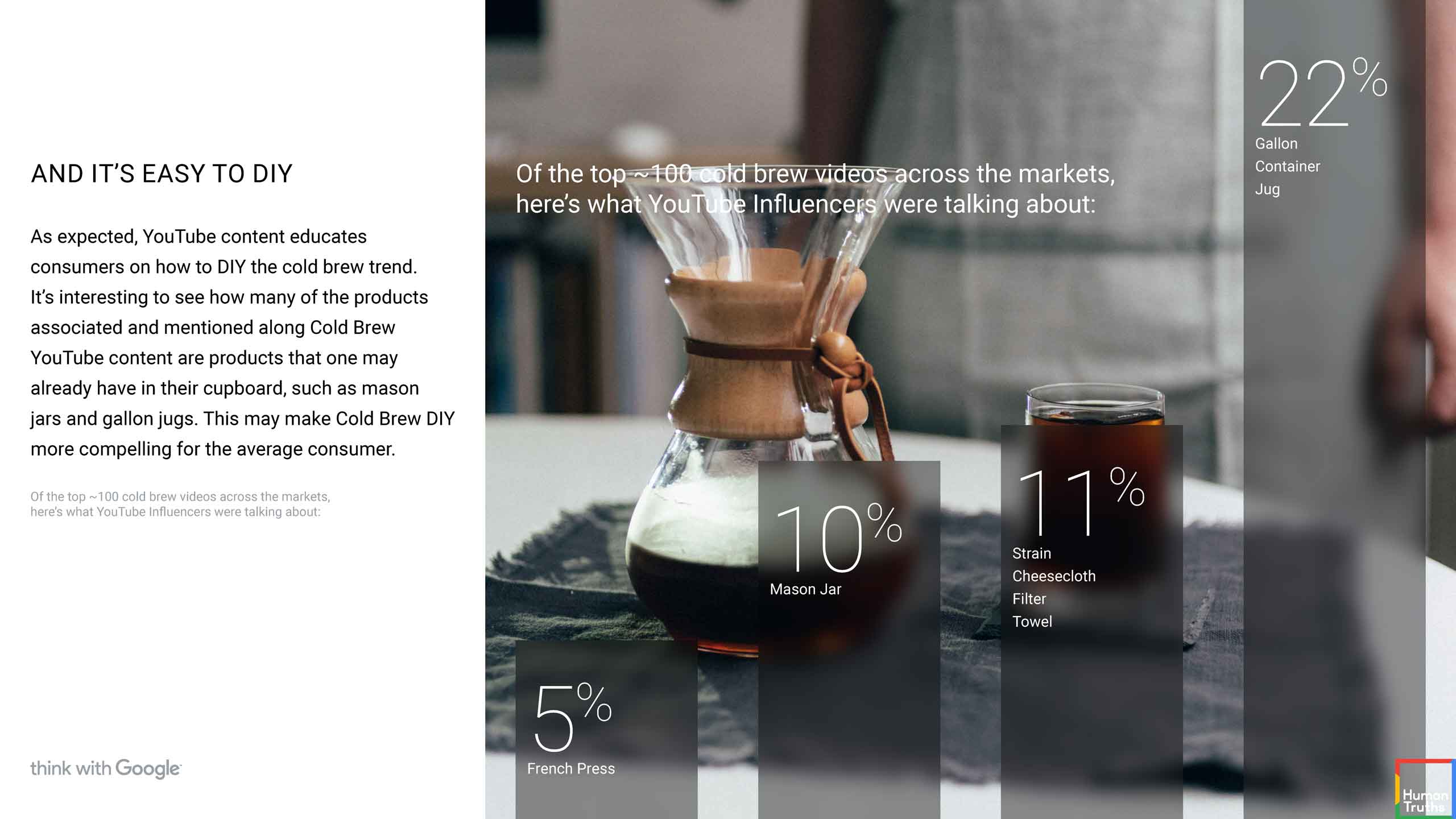
Public-facing content on Think with Google built credibility with advertisers
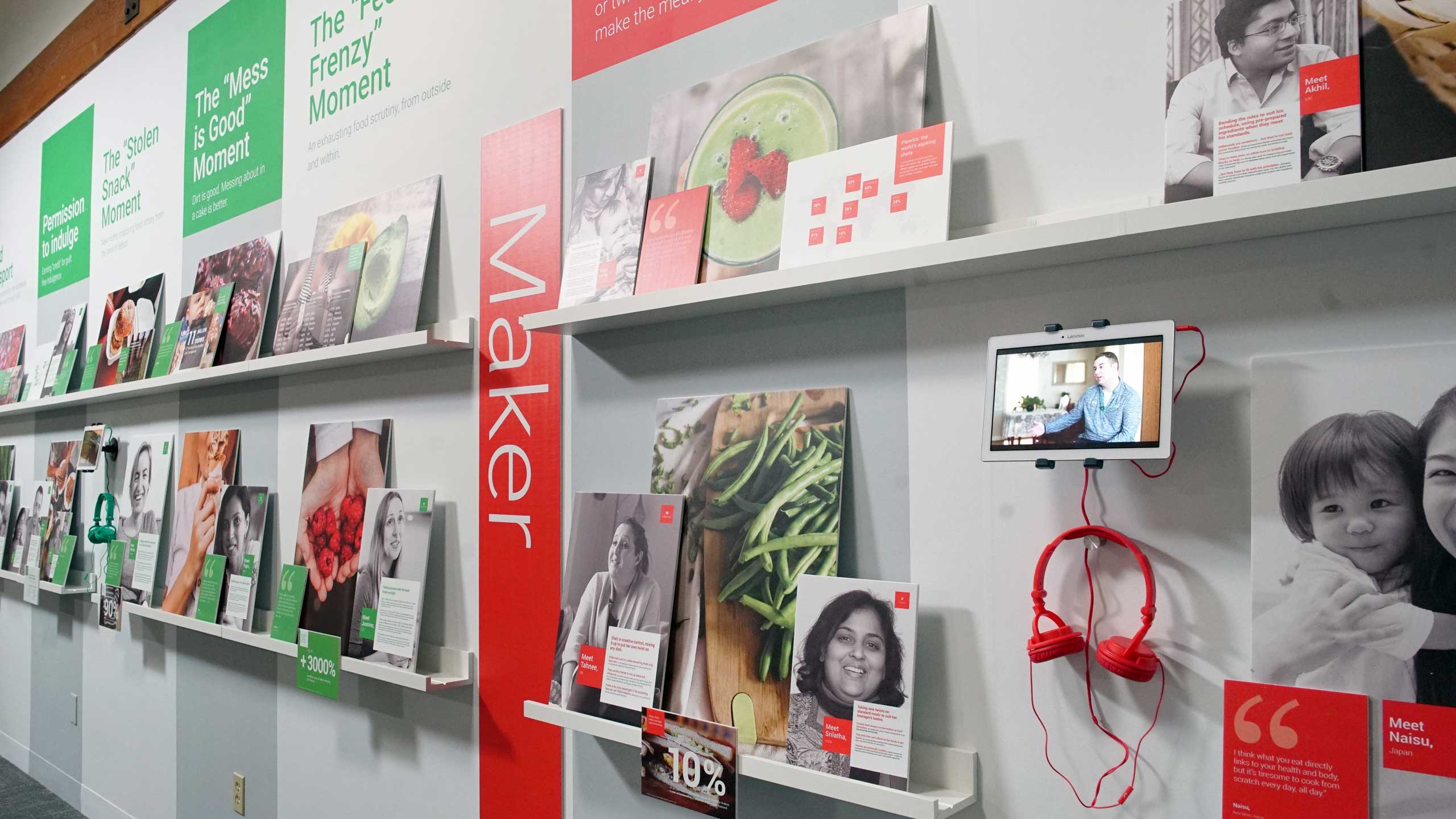
Launch events, onboarding sessions, and engagement plans ensured rapid uptake across teams
Outcomes
Won Nestlé and reshaped Unilever's biggest global launch in a decade
Experience Systems connected brand experience, customer experience, and service design into a single operating model. That coherence is what turned design decisions into commercial results.
- Google Mexico secured new advertising revenue from Nestlé, directly attributable to the Human Truths approach
- The Unilever global baby food CMO reworked their global advertising strategy for the brand's biggest product launch in a decade, informed by Human Truths insight
- JWT won a pitch supported by Google Human Truths outputs
- Reporting rework across insight, marketing, and creative teams was reduced by approximately 25% following the adoption of the centralised hub
- Google shifted its perceived positioning with top-tier advertisers from data vendor to strategic growth partner
“Google Human Truths helped us move beyond dashboards to real stories about people’s lives. That shift gave us the confidence to make bigger, bolder brand decisions.”
Senior Marketing Leader,
Global FMCG
Client: Google
Sectors: Technology, Advertising, Media
My Role: Director of Experience Design (C Space London)
Scope: Create - System (BX, CX, Operating Model)
Curious how this approach might apply in your context?
Call me Ale