Confidential Global Sports Brand

ANTI-DO-TO: Activating Social Change Through Design Practice

In Brief
Build a Gen Z brand from scratch.
Led experience and product design end-to-end.
Co-creation across 6 cities, research to launch.
Designed identity, IA, and digital platform.

Outcomes and Impact 
Business model: 50% net profits to social causes.
Launched with drops, pop-ups, ambassador programme.
6 cities across the co-creation community: Tokyo, Milan, London, New York, Seoul, Paris.

Situation

A global sports brand was invisible to Gen Z.

A global sports brand was losing relevance with younger audiences. Its existing identity felt distant to a generation that rejects performative positioning and demands demonstrable action. The brief was to build a stand-alone brand from scratch, one that Gen Z would not just wear but actively shape and sustain.

6620T220901L1_05_d98c87ec-9c02-4958-a95f-253005c863fd_1728x

Approach

We built the brand with Gen Z, not for them.

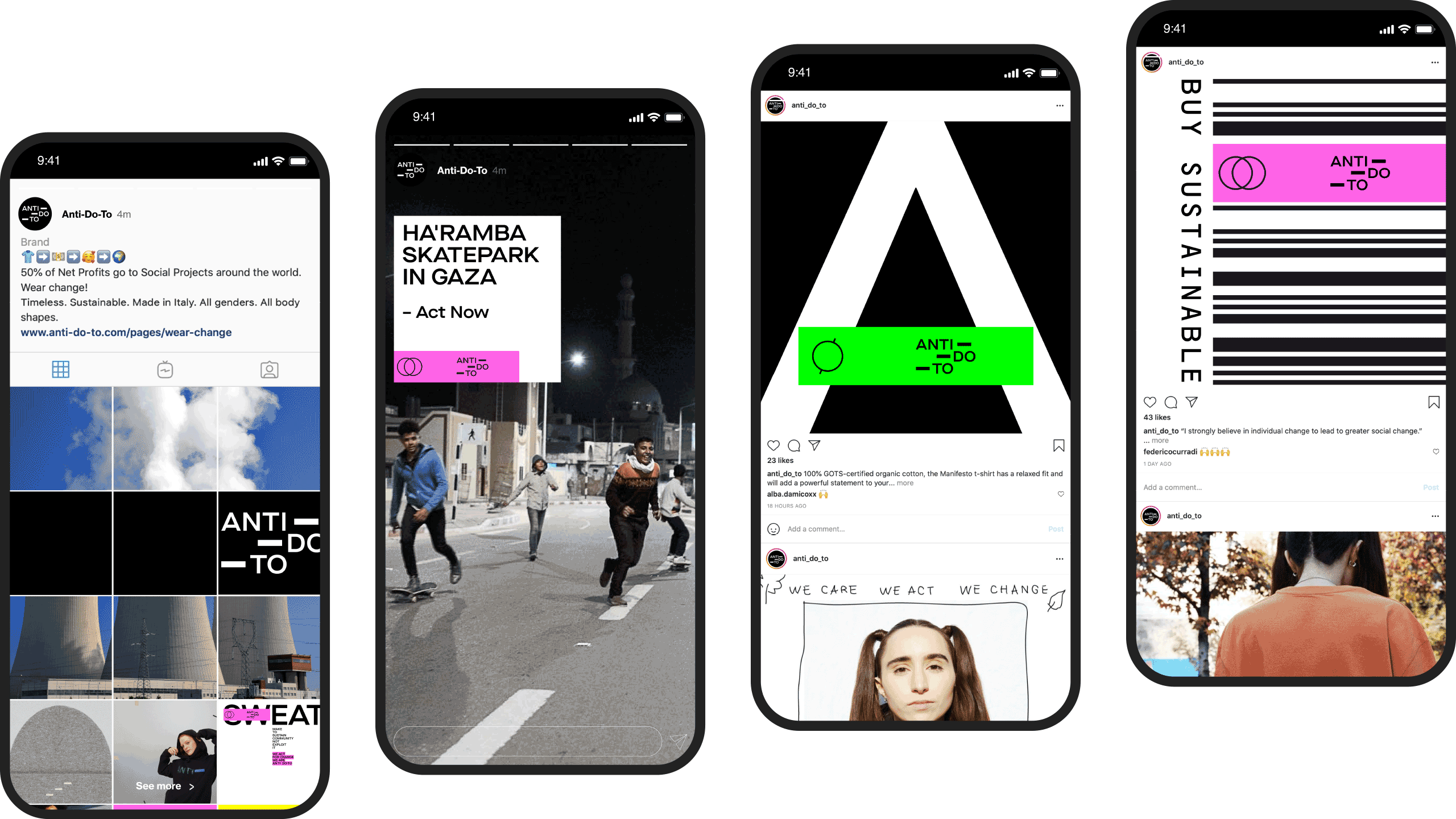
I led the experience and product design from the first co-creation sessions through to launch. We built a global community of young people across six cities, running diary tasks, interviews, and design sprints to surface what this generation actually wanted from a brand.

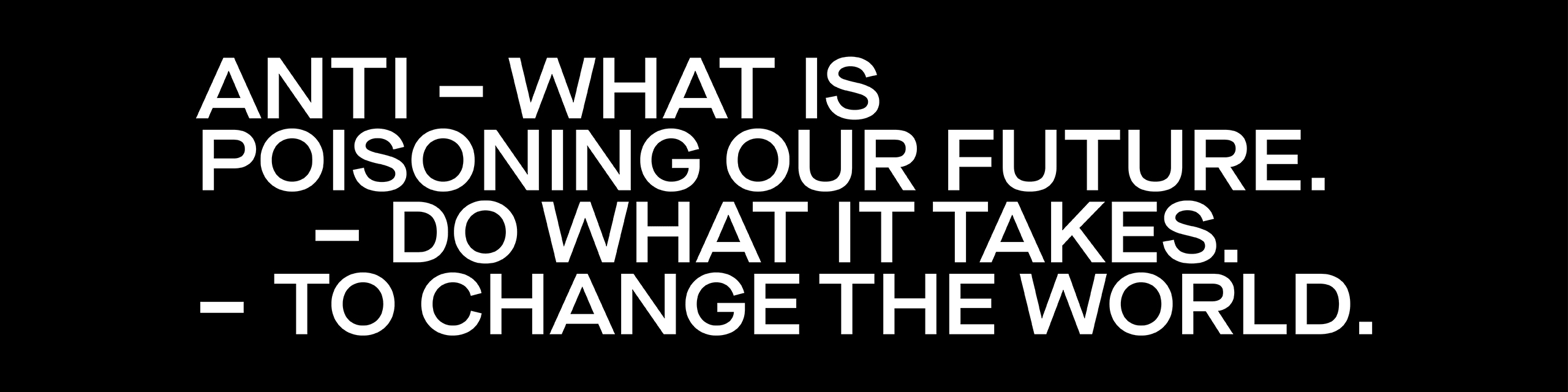
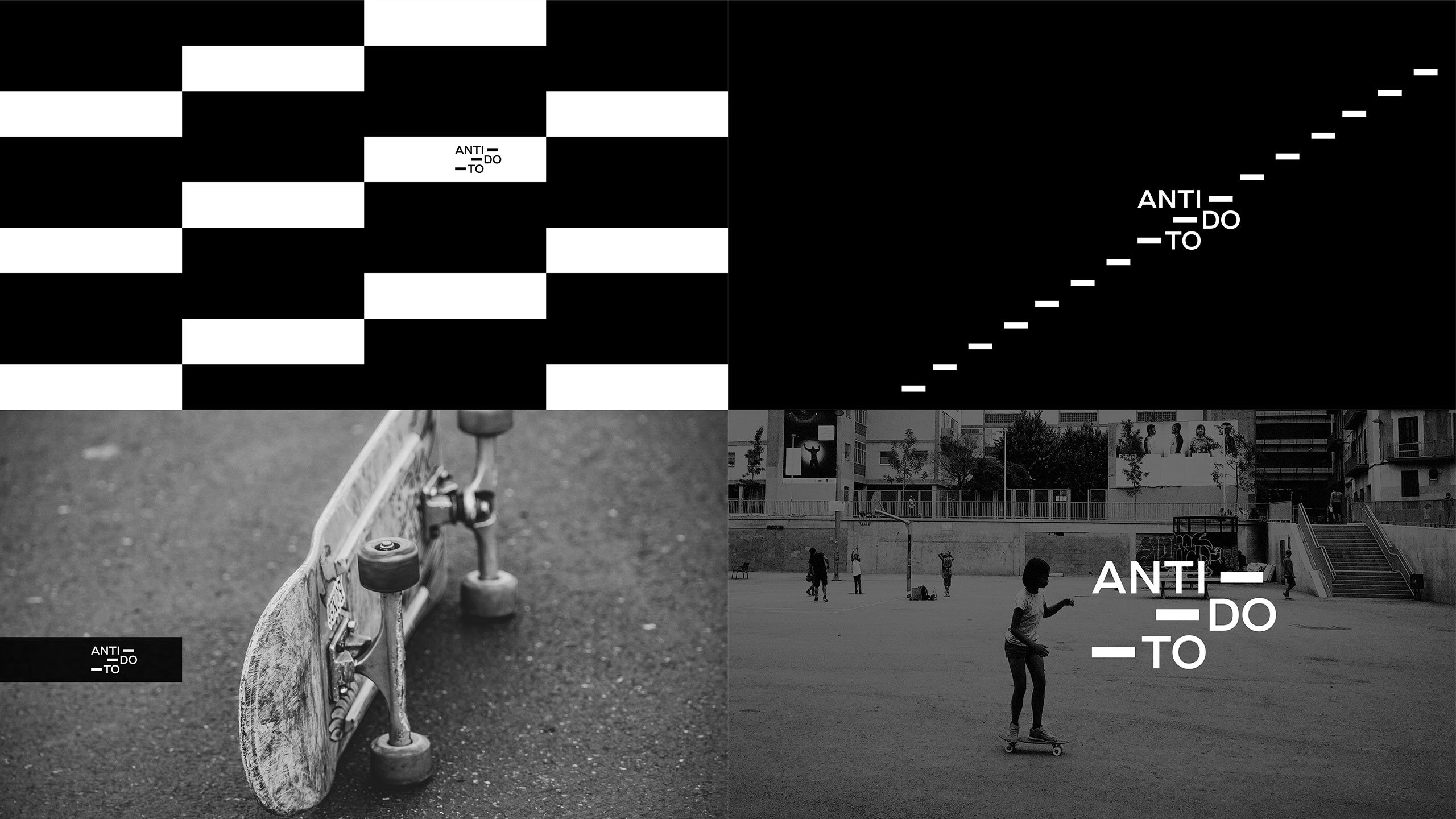
The name ANTI-DO-TO emerged from that process, and the hyphen became the foundation of the entire visual system: a mark that signals what needs to change and points toward action.


ANTI: takes a stand.

DO: drives action.

TO: looks to the future.

ANTI-DO-TO-Logo-Hyphen-white
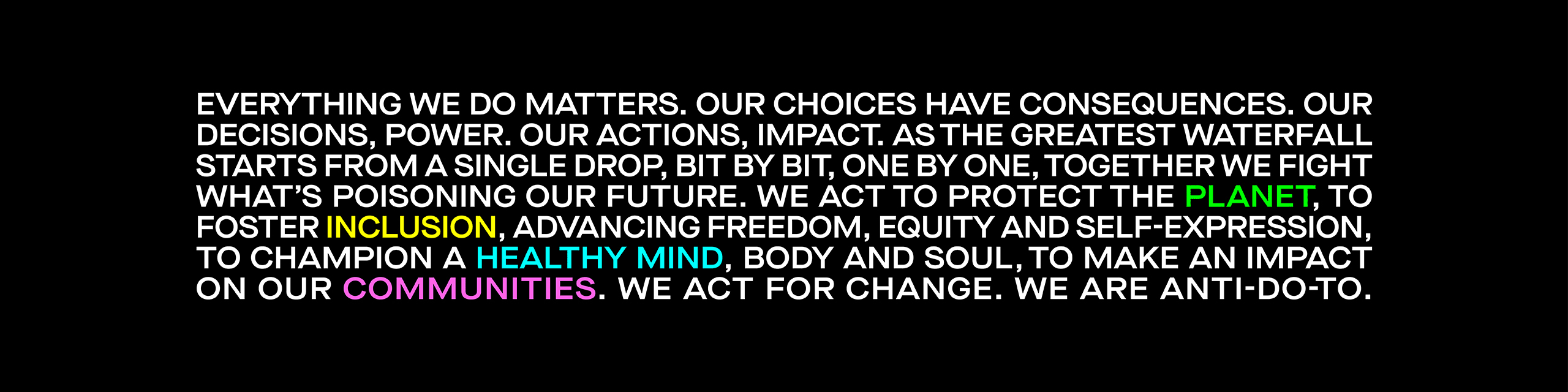
Anti-Do-To-Manifesto-01
Anti-Do-To-Manifesto-02
Anti-Do-To-DandAD-Submission3

System

The business model became the navigation.

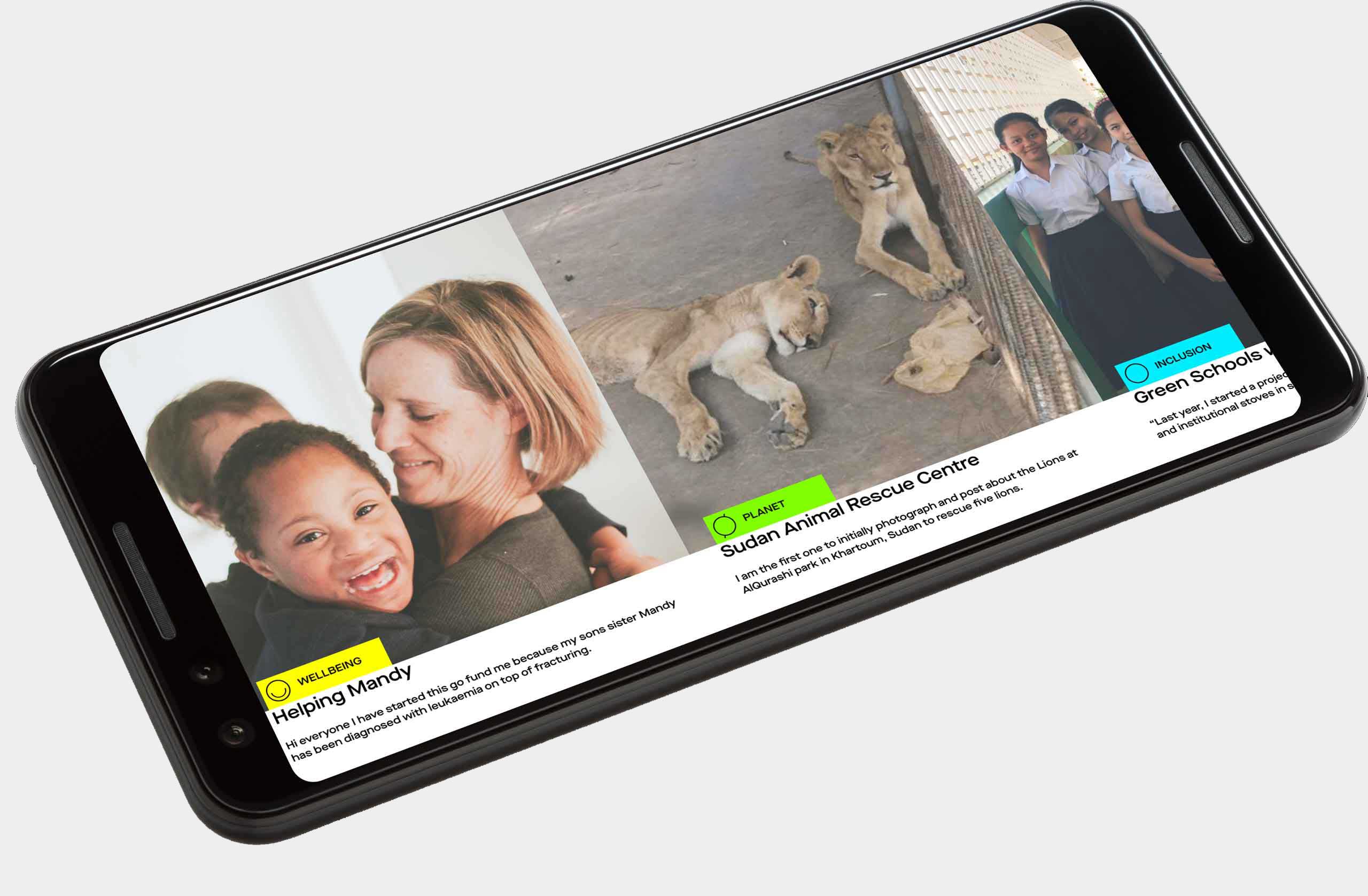
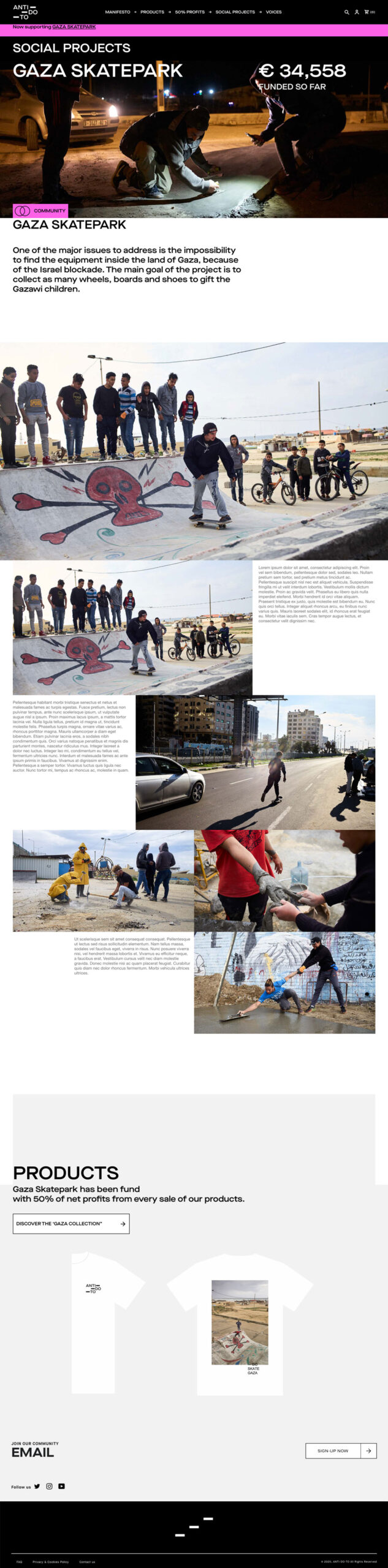
The business model became the navigation. Every product sold directed 50% of net profits to social projects and causes, including initiatives like the Gaza Skatepark, with funding tracked and published on the platform so the community could see exactly where their money went.

That commitment was not a marketing layer added after the fact. It was the structural logic of the brand, embedded into the product, the digital experience, and the service design from the start. I designed the information architecture and website navigation to mirror the model directly: Products, Profits, Projects, Impact, in that sequence. 

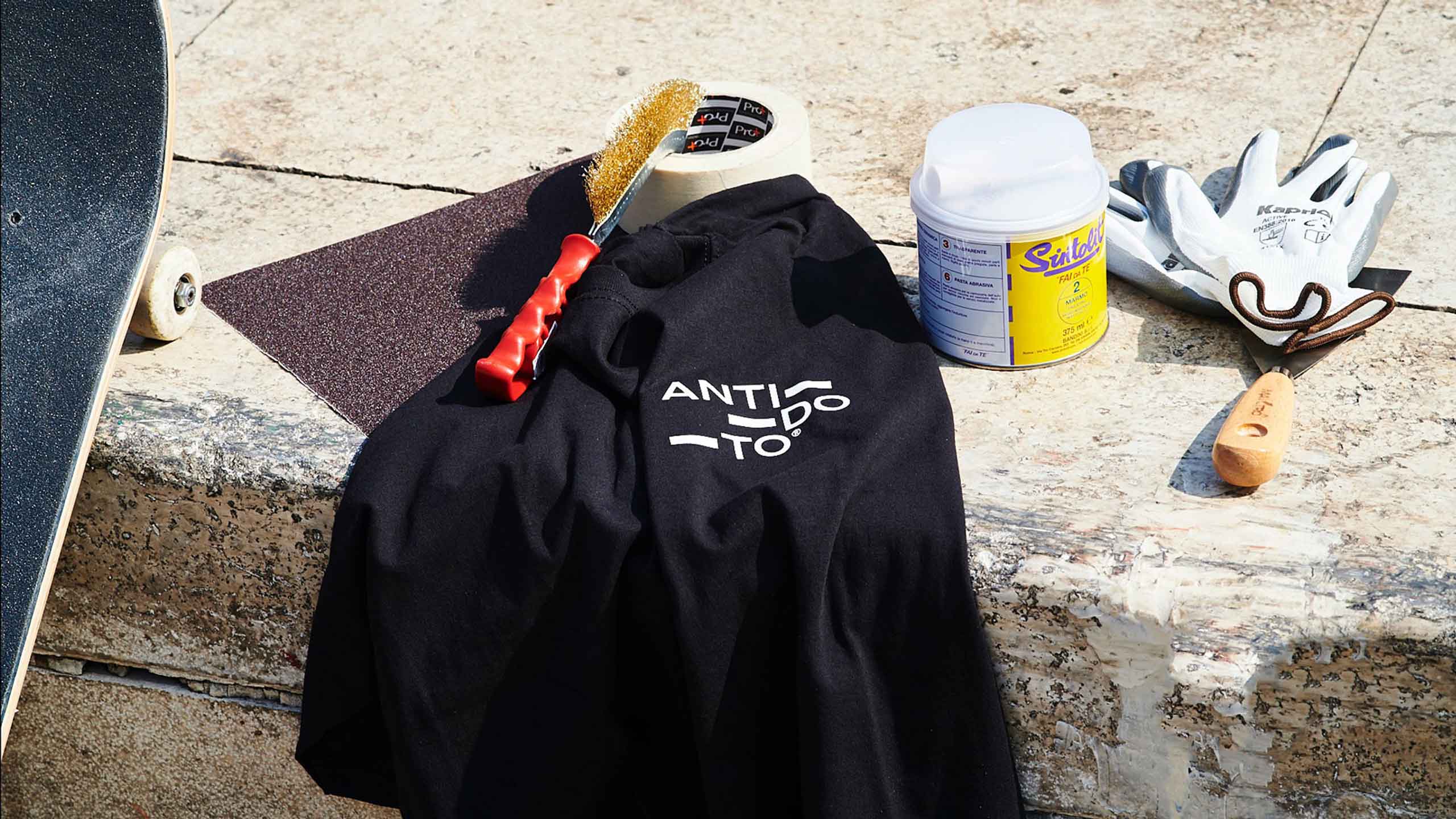
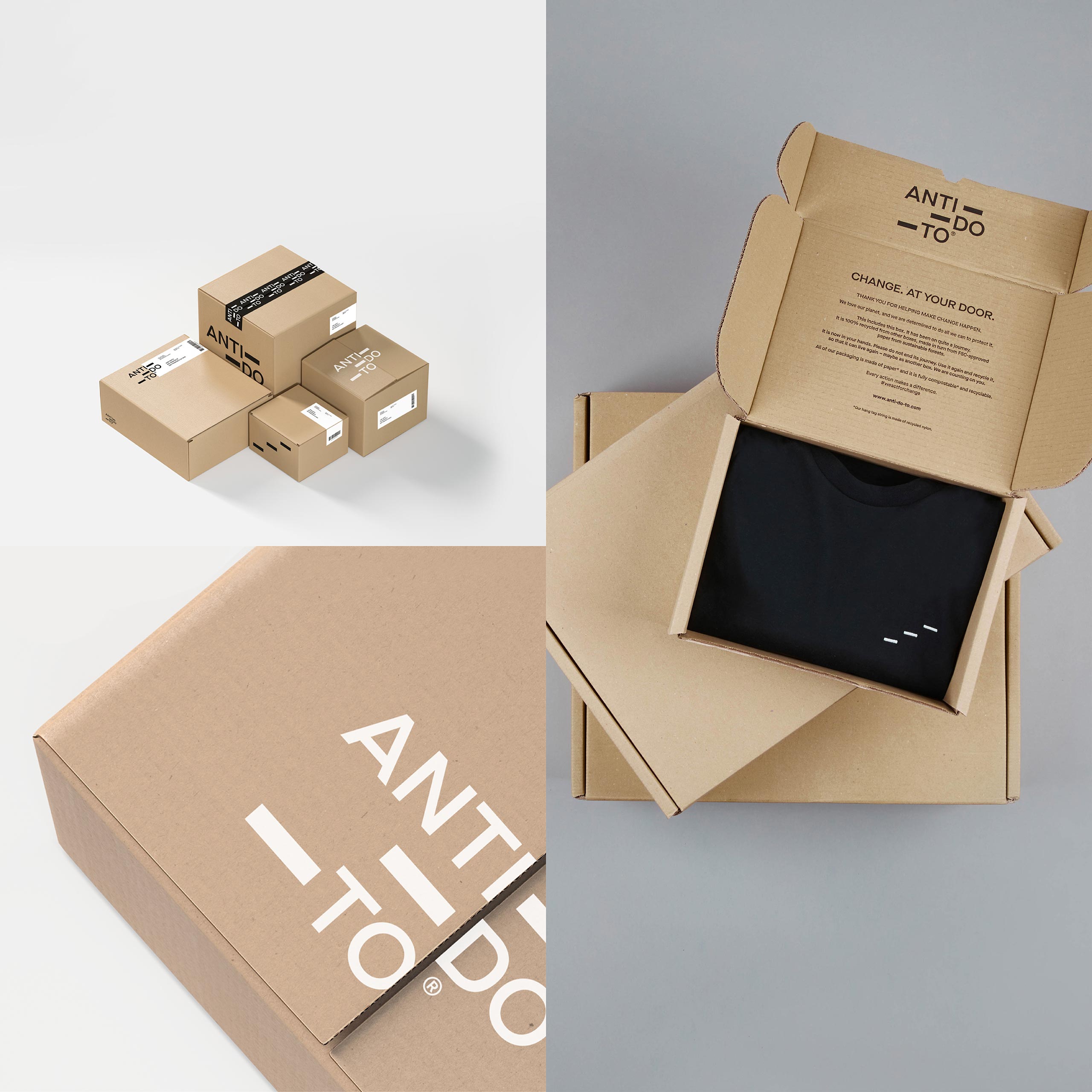
Fashion drops, co-branded collections, pop-up events, and an ambassador programme were designed so participation became the customer experience. Brand experience, customer experience, and service delivery were designed as one thing.


Anti-Do-To-Icon-Community
Anti-Do-To-Icon-Planet
Anti-Do-To-Icon-Inclusion
Anti-Do-To-Icon-Wellbeing
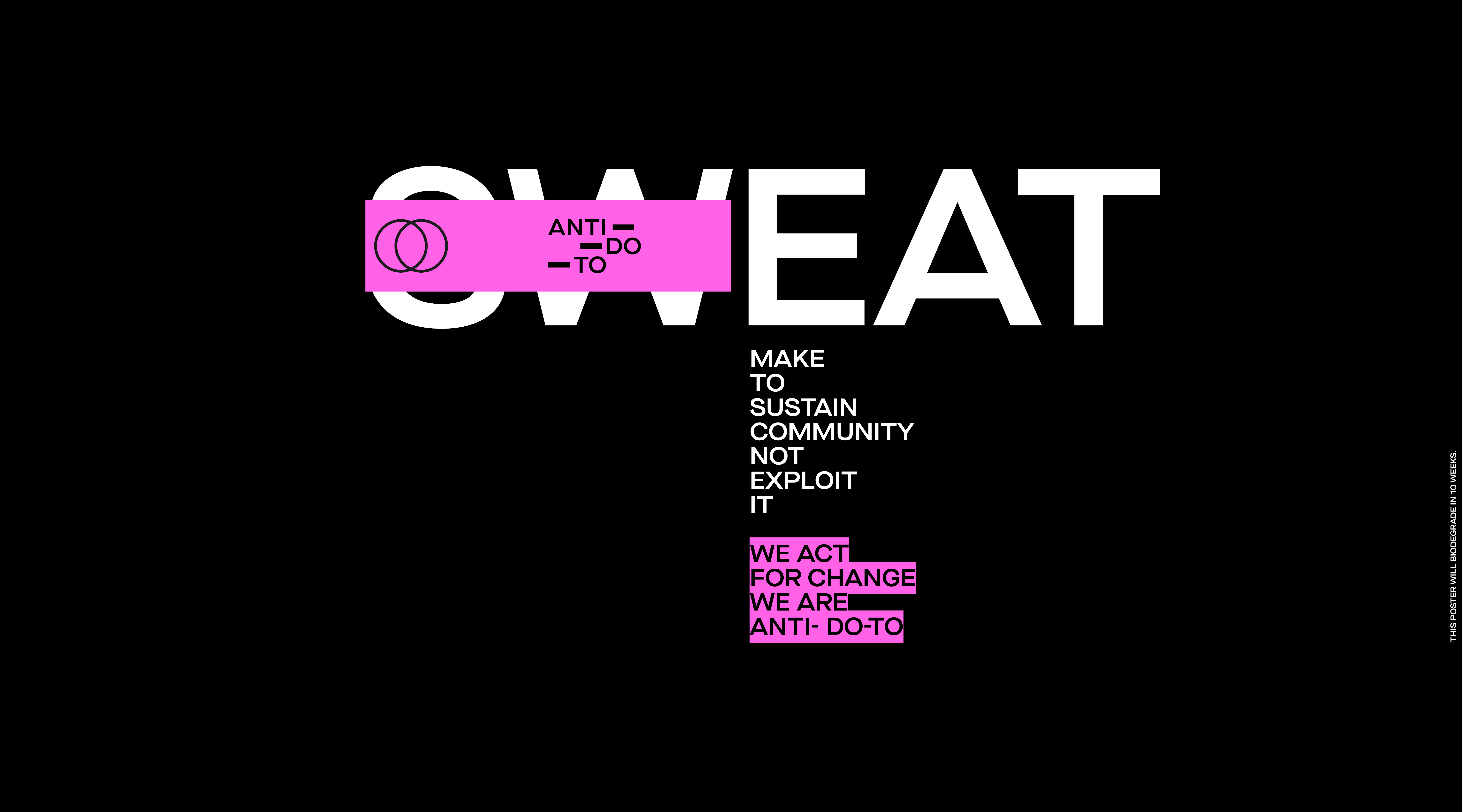
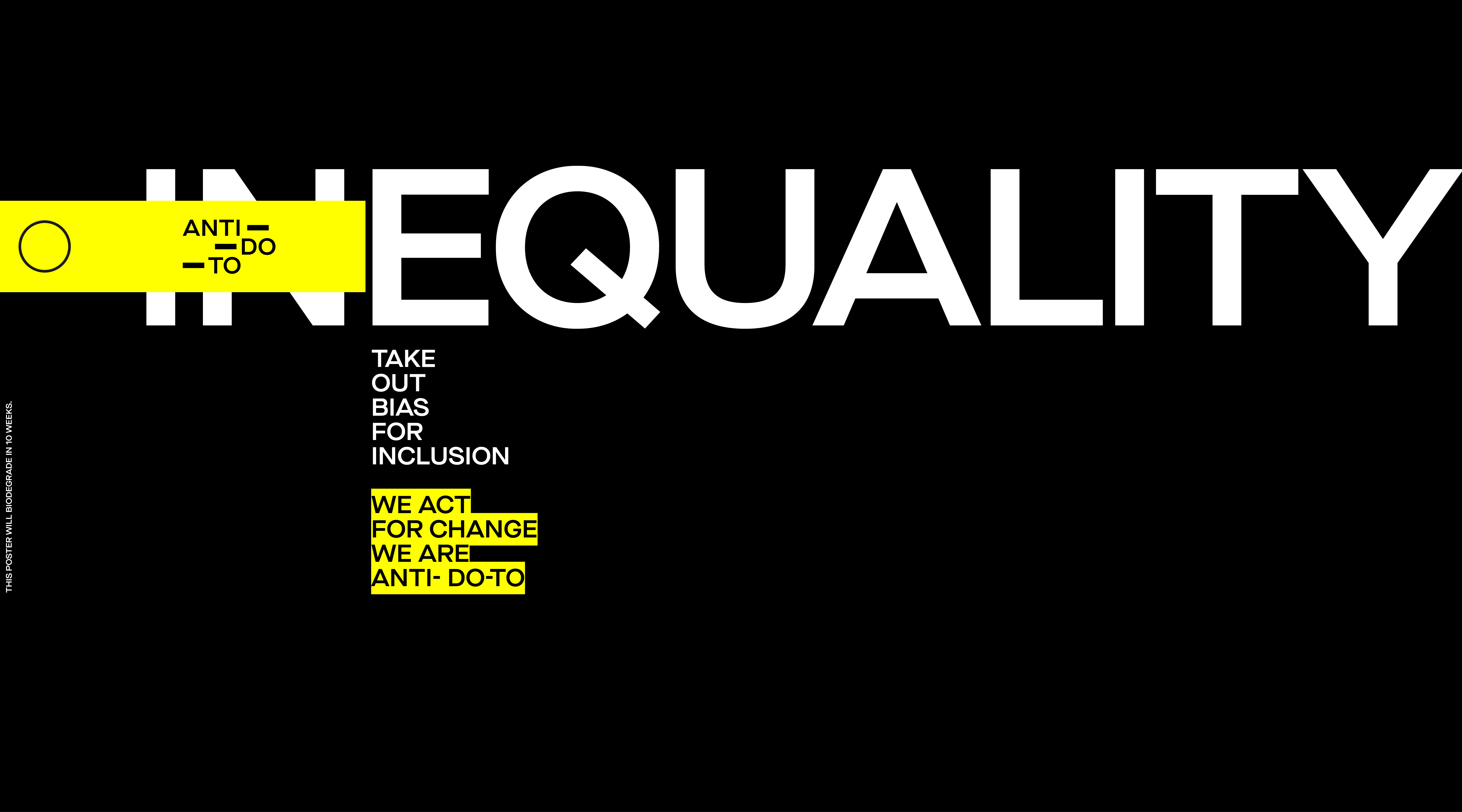
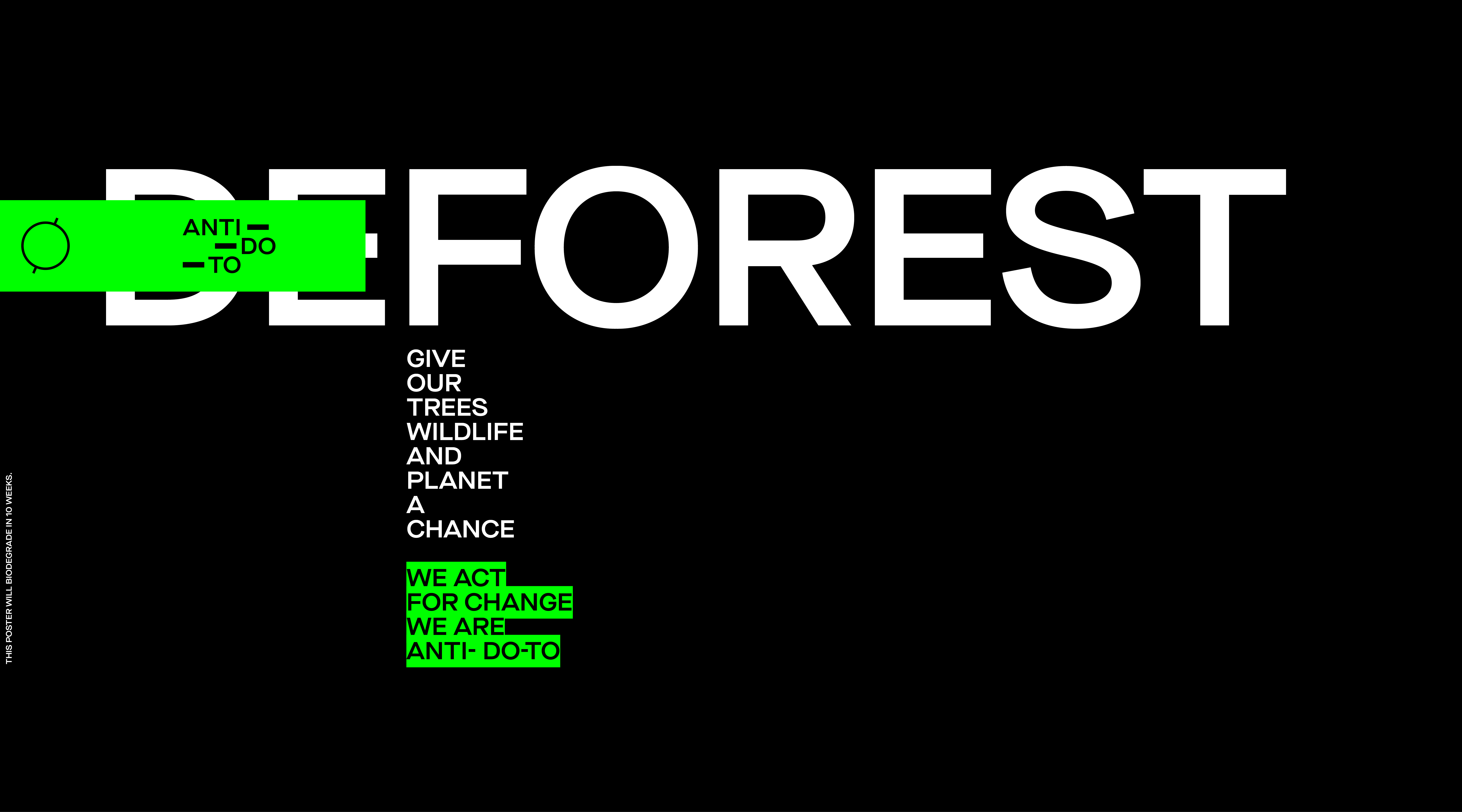
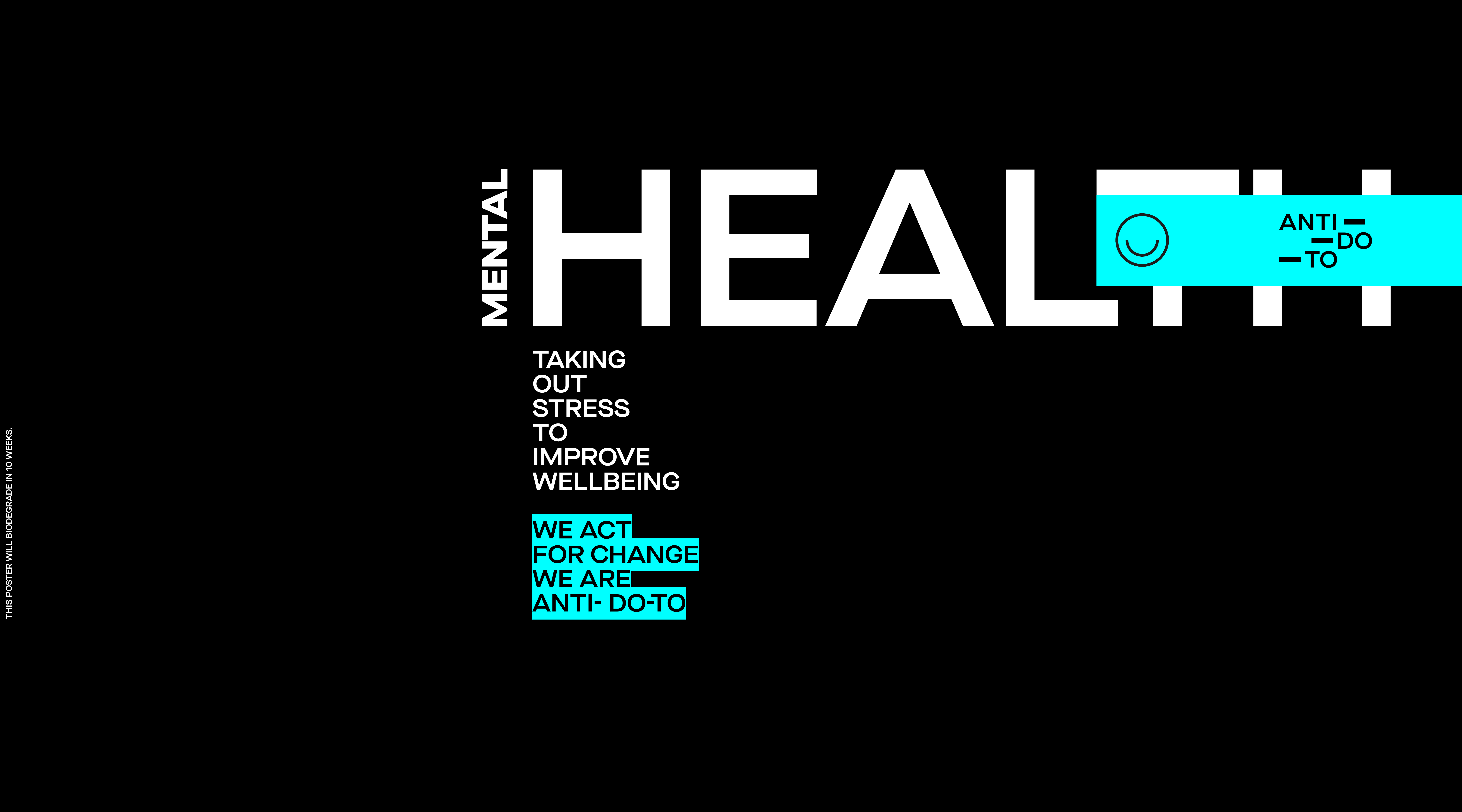
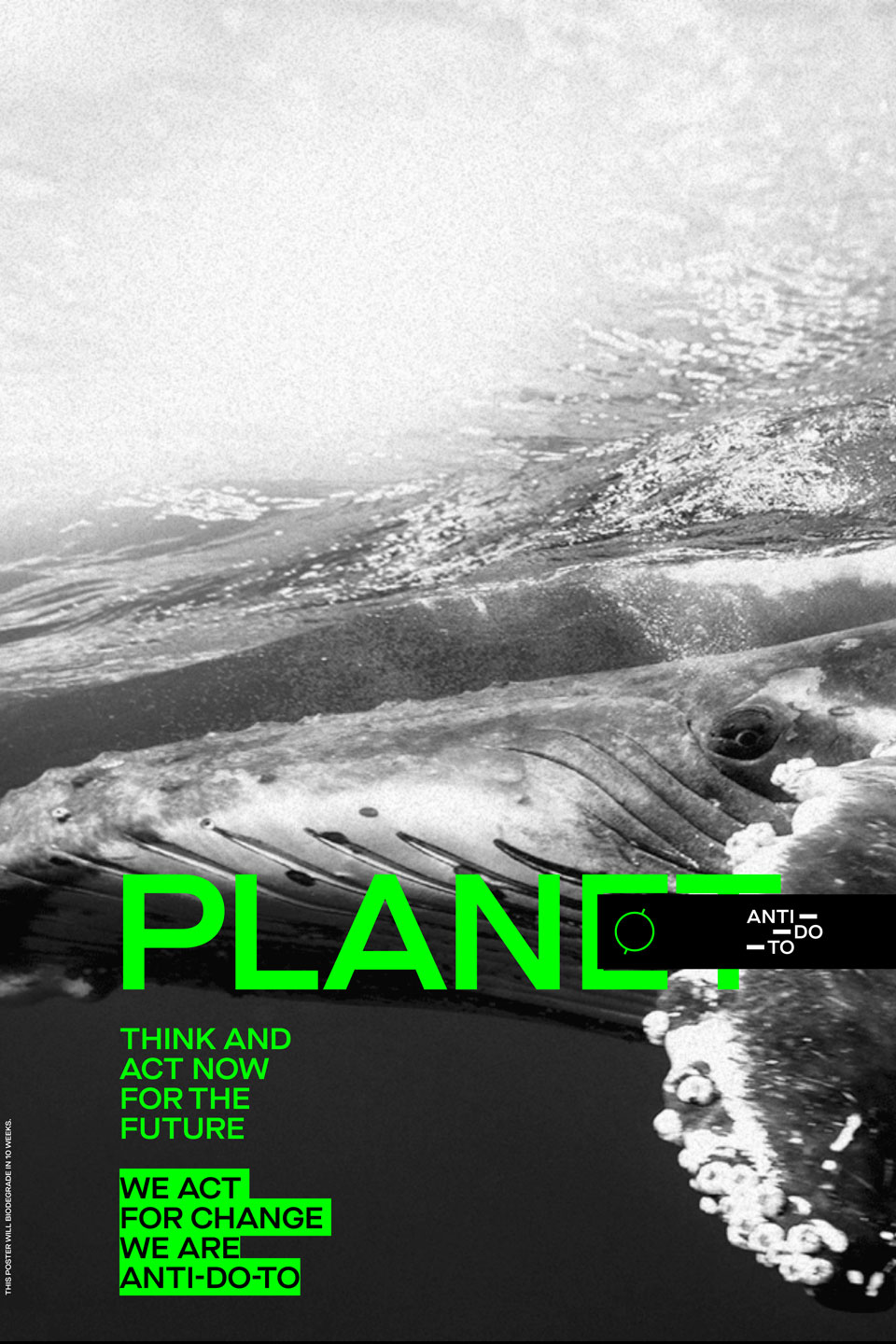
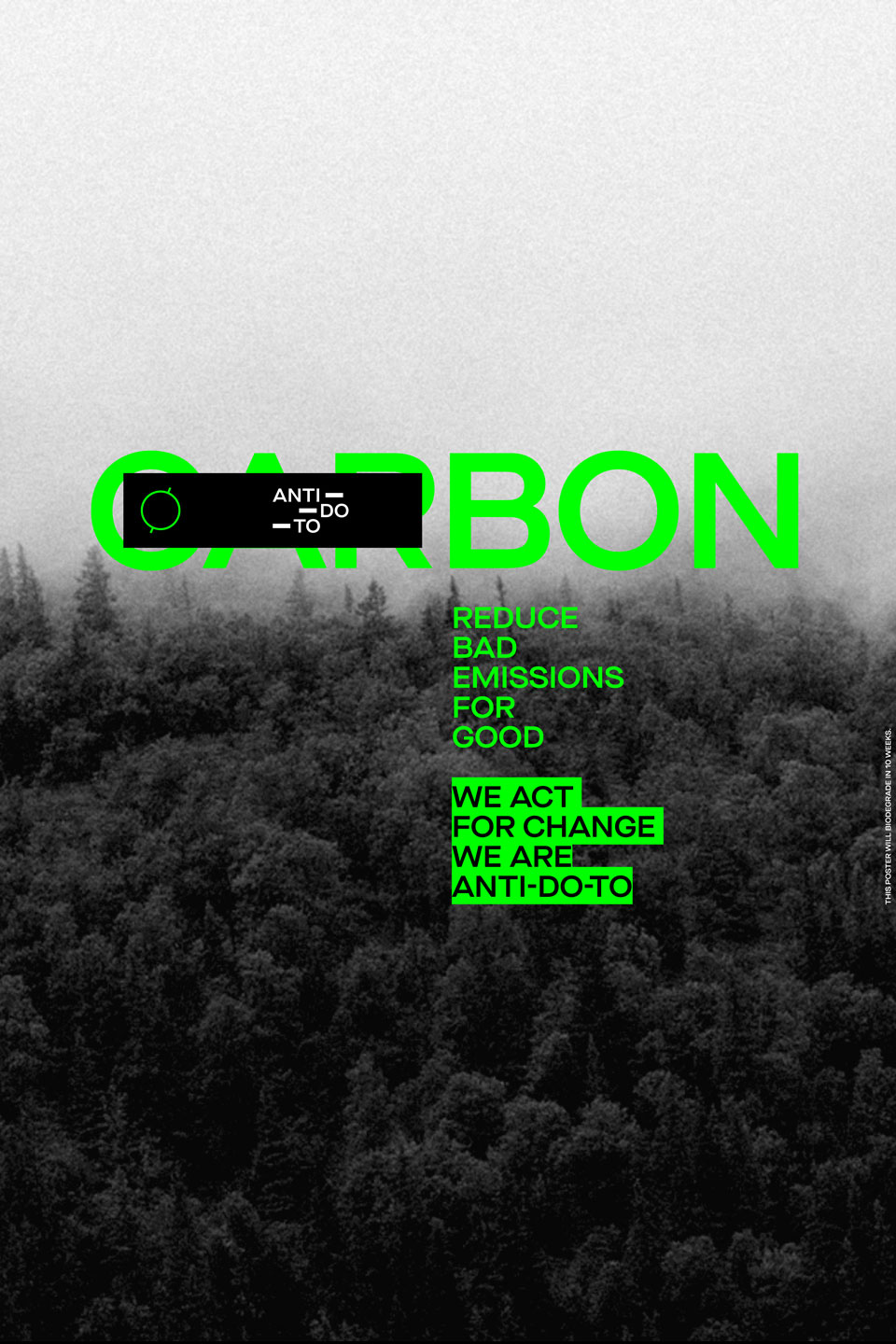
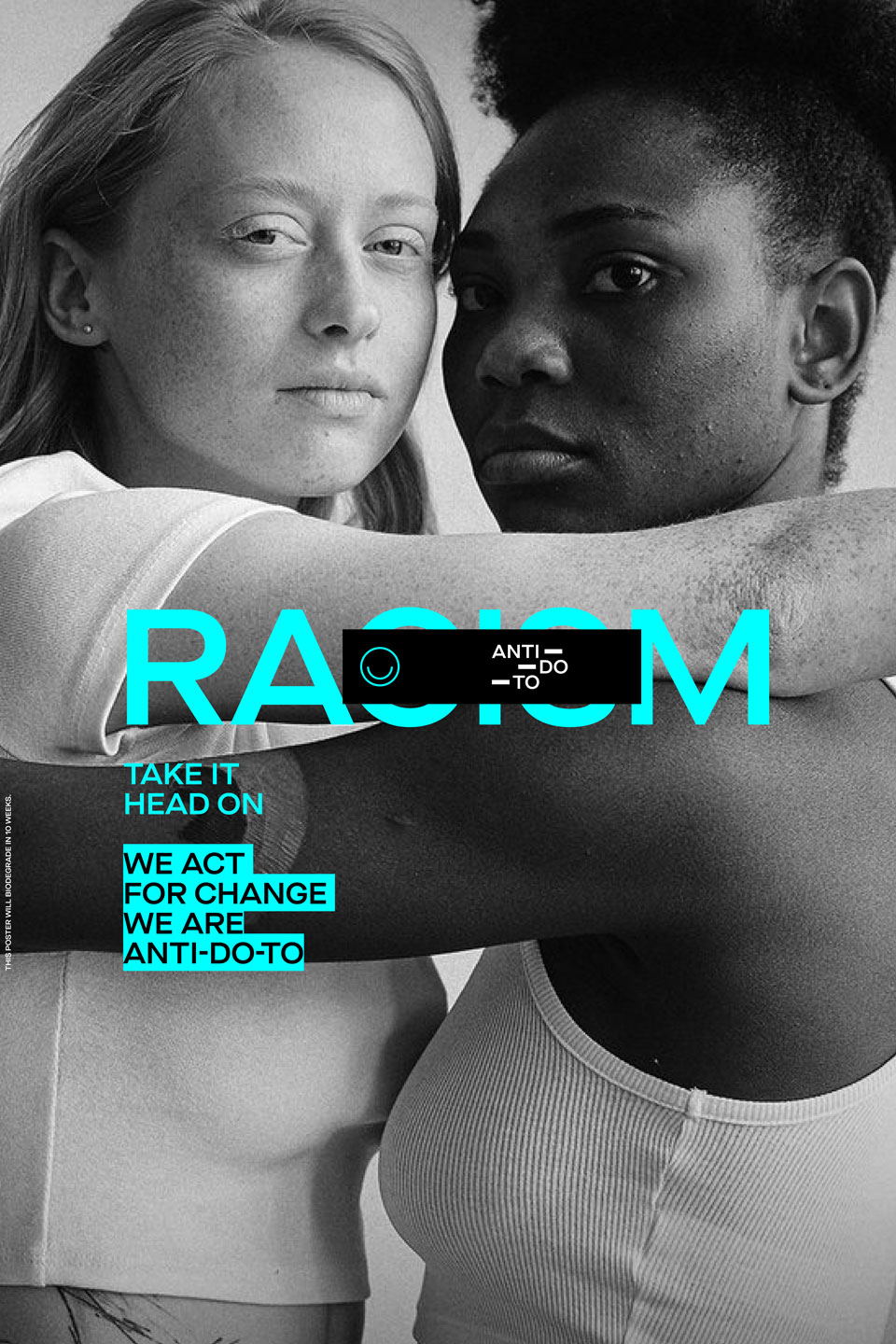
Poster-056
Poster-054
Poster-052
Poster-058
Poster-041
Poster-042
Poster-043
Anti-Do-To-00
Anti-Do-To-Website-01a

From the diagram of the business model
To the website navigation bar

Business-Model-Nav-00
Business-Model-Nav
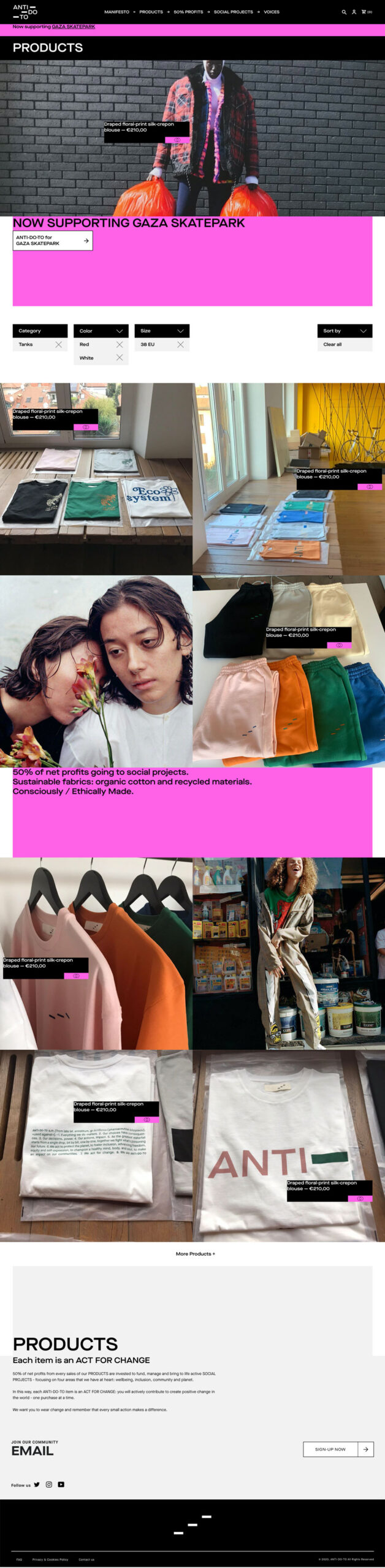
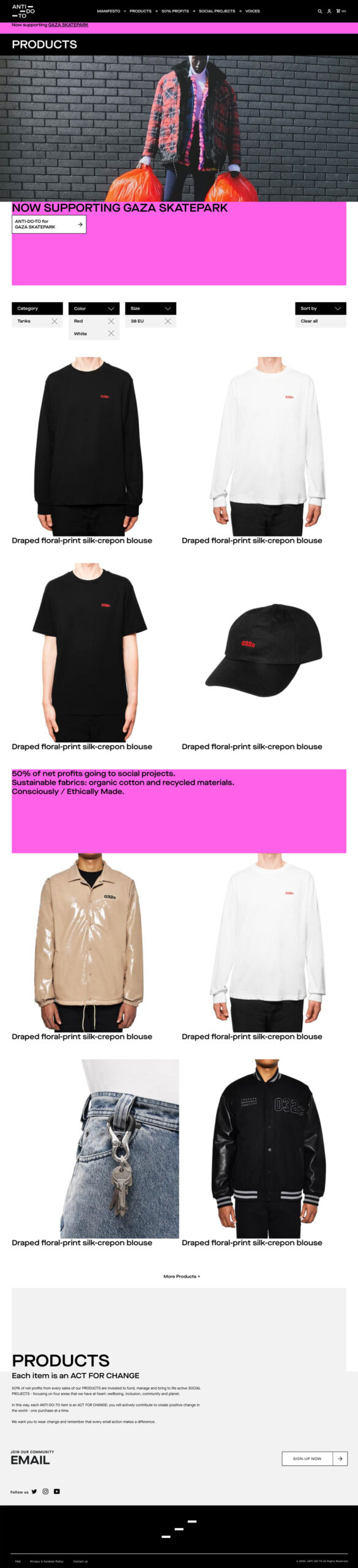
02a-Products
02aa-Products
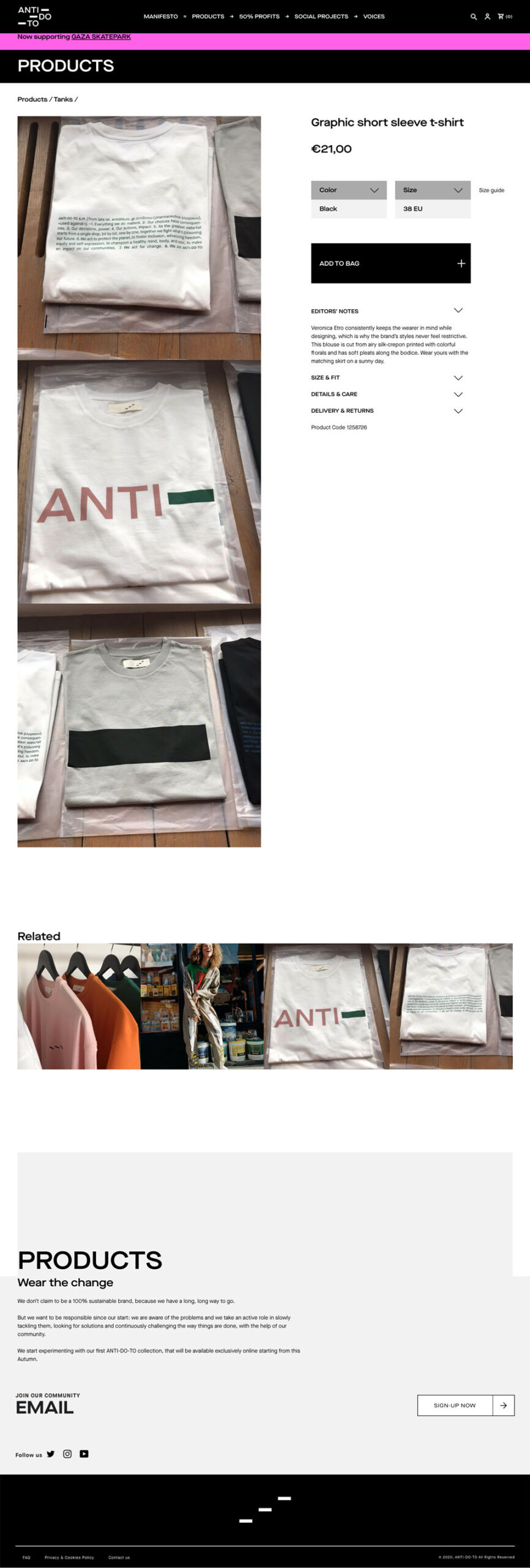
02b-Single-Product
04b-Single-Projects
Anti-Do-To-DandAD-Submission7b
Anti-Do-To-DandAD-Submission11

Outcomes

Activism made visible and accountable.

Experience Systems held brand promise, customer participation, and service delivery together so the brand's activism was something people could see, track, and trust.

The 50% profit model, built into the product and platform from day one, established a standard of accountability rarely seen in purpose-led brand work at this scale. A co-creation community spanning six cities shaped the brand before launch and continued to drive it after.

1120T100999HY_05_42a3c1d4-12dc-44f7-b7f3-275b534eaa2f_1600x
1160T120120L1_04_26446b45-31c3-4303-b468-4b308480aeec_1728x
Client: Confidential Global Sport Brand
Sectors: Retail, Social Impact, Purpose Ventures
Role: Director of Experience & Product Design (Interbrand Global)
Scope: Create - Product, Experience (BX, CX)

Curious how this approach might apply in your context?

Call me Ale

When to call me
Creating new category journeys for incremental revenue. No playbook exists. I write it, from insight to implementation, turning a concept into a market-ready product, service, or programme.
 
Scaling brands to experiences that connect and convert. When brand, customer reality, and service delivery are disconnected, they generate fragmented outcomes. I close that gap across channels and teams.
 
Fixing CX that breaks loyalty and slows growth. When journeys are siloed, metrics duplicated, and customers feel the incoherence without being able to name it. I map the system and fix it structurally, not cosmetically.
Where I work
Product and Services: the touchpoint. Where the problem space is defined and insight surfaces what is worth building. The core question is feasibility: what is technically possible, usable, and worth building.

Experience: the journey. How touchpoints connect over time and across channels. Where trust builds or breaks. The core question is desirability: what people actually need, want, and find meaningful.

System: the operating model. Governance, roles, rituals, tools. The backstage that makes the brand promise credible and the journey consistent at scale. The core question is viability: what the business can sustain, resource, and grow from.

My approach is human-centred design.
Problem: identify people’s real needs and expectations rather than making assumptions about what they are.
Solution: design and test experiences that people value, solving the prioritised problems.
Implementation: make the experiences scalable, reliable, better over time, and linked to commercial outcomes.
What I bring
CX Customer Experience: Journey orchestration, proposition development, loyalty and retention.
 
EX Employee Experience: Frontline and internal journey design, colleague-facing systems.
 
Service Design: End-to-end service architecture, blueprinting, operational flows, compliance and delivery logic.
 
Design-Led Operating Model: Governance design, delivery infrastructure, and cross-team standards built to run without external dependency.
 
AI Artificial Intelligence: I use AI as a strategic design capability and an emerging entity within experiences: one that requires the same intentional design and governance as any other part of the system.
 
Design Leadership: Building design functions and embedding design maturity across organisations.
logo_stc
logo_Ikea
logo_Specsavers
logo_Uber
logo_Interbrand
logo_Piaggio
logo_Google
logo_LibertyGlobal
logo_Simplyhealth
logo_TSB
logo_Zurich
logo_Shape
logo_YouTube
logo_PoliMi
logo_Soneva
logo_EmergingStars
logo_AntiDoTo
logo_BridgeAid
© Alessandro Pascoli. Experience Systems™. All work reflects my personal contribution while working with or for clients and agencies. Case studies are based on public information or adapted to remove confidential content. Views expressed are my own. No reproduction without permission. This site uses basic analytics to understand aggregate behaviour. No personal data is collected, stored, or shared.